Guanmiao Mian
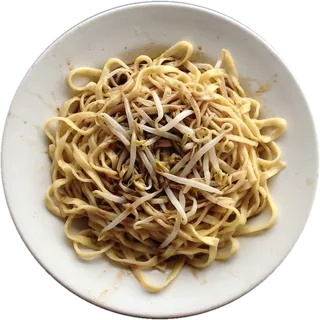
Wheat noodles from Guanmiao district in Tainan, hand-folded into fans and dried in the open sun for two or three days, which gives them a firm bite that survives long boiling.
How to order
老闆,一碗關廟麵。
The noodle is safe; the bowl is the question. Ask whether the broth is pork-bone and whether the topping has minced pork or lard-fried shallot by saying '湯頭是大骨的嗎?有沒有肉燥、油蔥酥?', or buy dried packets at the farmers' association instead.
History
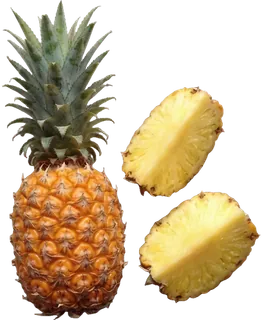
Noodle-making in Guanmiao dates to the period of Japanese rule, when flour, water and salt were kneaded, rolled, cut and then folded by hand into a fan or nest shape called a liu before going out on bamboo trays. They were turned by hand through two or three days of southern sun and hill wind. The noodles were known locally as sheng mian gan, da mian or liu a mian before the district name attached to them. As Guanmiao's rattan and bamboo workshops declined, families moved into noodle-making, and the product now sits beside pineapple and green bamboo shoots as one of the district's three named goods, sold through the Guanmiao farmers' association processing plant.
The dough carries no animal ingredient: the farmers' association label lists wheat flour, water and salt, and some makers add a trace of food-grade alkali for aroma while others leave it out. There is no egg, which is what sets these apart from many Taiwanese noodles. The animal ingredient enters in the bowl rather than the noodle. The dish most associated with the district, Guanmiao lu mian, is served in a thickened pork broth, and stalls finish bowls with minced pork or fried shallot crisps that are often fried in lard. Dry packets from the farmers' association are plant-based as sold.
Where to get it
Noodle workshops and drying yards around Guanmiao district, Tainan, where trays stand out in the sun on clear days; dried packets are sold at the Guanmiao farmers' association shop on Zhongzheng Road alongside the district's pineapple and bamboo shoots.