Çorba e Hasit
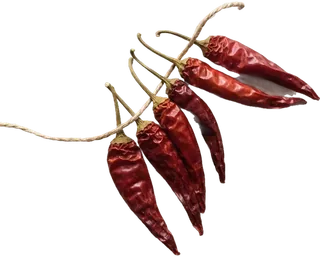
Maize flour is stirred into a bean broth with onion and dried pepper until it thickens to a porridge-like soup, then sharpened with a sour finish. It is winter food in the Has highlands, cooked in village kitchens near Krumë and eaten through the cold months when fresh vegetables run short.
How to order
Një çorbë Hasi, pa kos dhe pa gjalpë, ju lutem.
Ask for it without the sour finish and the butter — “pa kos dhe pa gjalpë” — since both are stirred in only once the pot is off the heat, so leaving them out changes nothing about how the soup itself was cooked.
History
Has is the highland district of Kukës qark, pressed against the Kosovo border, and çorba e Hasit is counted among its named dishes, cooked in the villages around Krumë through the winter. Maize flour, ground from the autumn zahire stored after harvest, is beaten into a pot of beans, onion and dried pepper until it thickens into something between a soup and a porridge. Has, like the rest of the district, was collectivised under the communist farms, and after 1990 it emptied fast: Kukës qark lost much of its population to emigration, and the dish travelled with Has families to Tirana and abroad.
The base — maize flour, beans, onion and dried pepper simmered in water — is plant throughout. What varies is the finish: many households stir in kos at the end to sour the soup, or drop in a spoon of gjalpë to round it out, both added once the pot is already off the heat or just before serving. Settling the dish means asking for it without either, since the broth itself carries no animal product and the souring can simply be left out rather than substituted.
Where to get it
Family-run guesthouses and home kitchens in Krumë and the villages of Has, Kukës qark, served through the winter months; a bowl at a bujtinë runs around 150-200 lekë.