Dersim Kömbesi
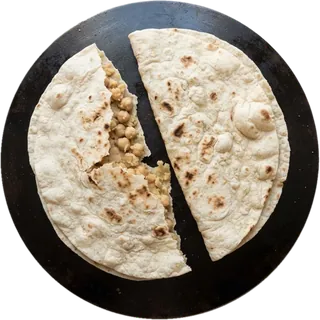
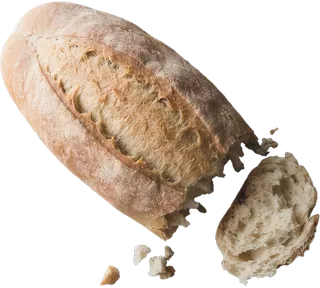
Dersim kömbesi is a thick, round bread baked in a tandır oven, dense enough to anchor a meal rather than sit beside one. It is cut into wedges and eaten warm through the day, often torn by hand rather than sliced.
How to order
Tereyağsız kömbe var mı, lütfen?
Ask whether the dough itself was mixed with butter, since that happens before baking and cannot be fixed afterward: “Yağsız kömbe var mı, lütfen?” — “Is there kömbe without butter, please?” The tulum cheese comes on its own plate and can be waved off with “peynirsiz olsun.”
History
Dersim kömbesi comes from the Zaza-speaking villages of Tunceli province, in the mountains of eastern Anatolia. It is baked at home, usually by the women of the house, in a tandır sunk into the floor or yard. The dough is a simple mix of wheat flour, water, salt and a leavening agent, often a piece of dough held back from an earlier baking. It is shaped into a thick, flat round, marked across the top, and baked slowly until the crust hardens while the inside stays dense and moist. The same loaf is known as pargaç or köte in neighbouring districts, and simply as kömbe around Dersim itself.
Everything in the dough starts as plant matter: flour, water, salt and the starter. Butter enters in many houses, worked directly into the dough before it goes into the tandır, which means the question is already settled by the time the loaf is cut and cannot be undone at the table. The bread is also commonly set out with Şavak tulum cheese, a sheep's-milk cheese aged in a skin, placed on the table rather than baked into the loaf, so that piece can be left untouched easily enough. Whether the bread itself is plant-based depends on how the dough was mixed, and that has to be asked about at the oven or kitchen, not guessed at afterward.
Where to get it
Found in village bakeries and home kitchens across Tunceli, particularly in the highland districts, baked year-round but most often in spring and summer when household tandırs are fired daily.