Donggua Cha
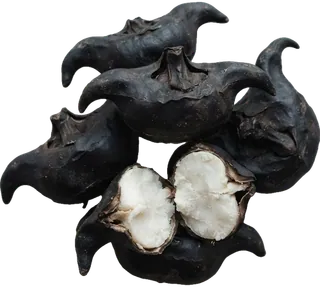
Winter melon simmered for hours with sugar until it sets into dark blocks, which are broken up and dissolved in water to make a cold, caramel-scented drink. In Sinhua it is poured at the old ice shops on Zhongzheng Road.
How to order
老闆,一杯冬瓜茶,不加奶。
The block and the water are plant-based; the doubt is only what a shop adds, so say '不加奶,不要布丁' — no milk, no pudding — if the menu lists milk versions or pudding toppings.
History
The melon is peeled, seeded and cut into strips, soaked, then boiled down with cane and dark sugar over many hours until the syrup thickens; some makers first steep the strips in lime water to firm the flesh. The syrup is poured into trays, cooled overnight and cut into bricks, which keep and are dissolved in roughly five parts water. Accounts place the method in the coastal strip between Anping and Xigang in the late Qing period, with commercial sale established under Japanese rule; a Tainan winter melon works founded in 1912 still boils by the old method in wooden vats.
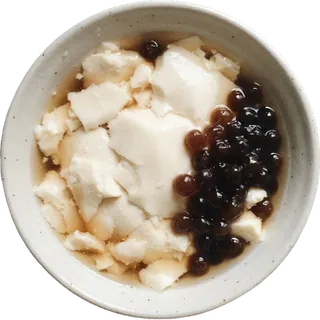
The drink is three things: winter melon, sugar and water, so nothing animal is involved in making it, and the sweetness and the caramel note both come from the long boil rather than from honey or dairy. Where a problem can appear is at the counter of a modern drinks shop, which may offer the tea shaken with fresh milk or with non-dairy creamer, or topped with egg-and-milk pudding. Asked for plain, over ice, with tapioca pearls or taro balls if wanted, it stays entirely plant-based.
Where to get it
On and around Zhongzheng Road in Sinhua's old street: the ice shop opposite the former district office, trading over fifty years, boils its own winter melon syrup, and the herb-tea stall of more than sixty years on Zhongshan Road blends it with roselle. Tainan's century-old winter melon works in the central district sells the blocks to take away.