Eau-de-Vie de Fruits
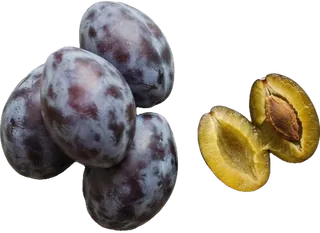
Whole fruit — quetsch plums, mirabelle, kirsch cherries, poire william, or wild berries gathered from Vosges hedgerows — is fermented to a mash and distilled twice in a copper still until clear and strong. Haut-Rhin distillers produce it in small batches each autumn, after the harvest, for sale at farm doors and village markets.
How to order
Une petite bouteille d'eau-de-vie de mirabelle, s'il vous plaît.
Nothing needs to be asked: eau-de-vie de fruits is fruit, yeast and water taken through fermentation and distillation, with no animal product entering the process at any stage, whether bought at a cave, a farm stand or a village market stall.
History
Eau-de-vie de fruits is distilled across the Haut-Rhin and the Vosges foothills, from the orchards of the Ried, between Colmar and Sélestat, to backyard stills in villages along the Route des Vins. In Alsatian the spirit is called Schnaps, a dialect word distinct from the standard French eau-de-vie used on labels and at market. Farmers with the hereditary bouilleur de cru right distilled their own surplus fruit each autumn for home use; a 1960 law ended the right for new generations, and the number of registered distillers has fallen steadily since as small orchards disappeared into larger farms.
Fruit, yeast and water are the whole of it: the mash ferments, then two passes through the still concentrate the alcohol and leave the solids behind, which is where the colour and cloudiness of wine or cider would otherwise need clearing with gelatin or egg white. Distillation does that work instead, so nothing animal enters the process from fermentation to the glass, and there is no fining stage to ask about.
Where to get it
Farm distilleries and cooperative caves along the Route des Vins d'Alsace in the Haut-Rhin, from Ribeauvillé to Thann, sell it by the bottle at the cellar door and at autumn markets after the fruit harvest; a 50cl bottle runs €18 to €30 depending on the fruit and the age of the batch.