Quetsche d'Alsace
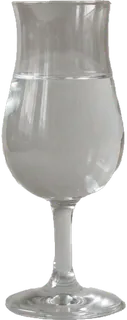
A dark oval plum, purple to near-black, picked across Alsace in September and eaten fresh, baked onto open tart bases, cooked for hours into a thick spiced butter, or distilled into a clear eau-de-vie served after a meal. Alsatian markets sell crates of them through the harvest, from Strasbourg to Colmar.
How to order
Un kilo de quetsches, s'il vous plaît.
The fruit itself and the jarred quetsche butter need no asking, since plum and sugar are the whole recipe. For a tart, the crust is the one place butter hides, so ask “La pâte est faite sans beurre ?” before buying, or choose the plum butter instead, which never has any.
History
Quetsche is the Alsatian name for this plum, close to the German Zwetschge, and the same word is used in standard French. The trees grow across Bas-Rhin and Haut-Rhin, in orchards and garden rows from the Vosges foothills to the Ried, and the fruit ripens through September, filling market stalls in Strasbourg, Colmar and Sélestat. Households cook the surplus into a thick plum butter, simmered for hours with sugar, and distill the rest into eau-de-vie de quetsche, a tradition that persisted through sugar rationing during the 1940-44 occupation, when stills and preserving pots kept working through lean years.
The plum itself carries no animal product, and the preserve known as quetsche butter is nothing but the fruit cooked down slowly with sugar, no gelatine needed since the fruit's own pectin sets it. The eau-de-vie is fermented and distilled fruit and water alone. The one place animal product usually enters is the pastry base under a tarte aux quetsches: Alsatian pâte brisée is built on butter by default, worked cold into the flour before the sugar and fruit go on top, so a bakery crust needs asking about, even though the filling itself never does.
Where to get it
Village markets and farm shops across the Haut-Rhin and Bas-Rhin, from Colmar to Strasbourg, sell crates of fresh quetsches through September for about €2-3 a kilo; bakeries sell the open tart by the slice for around €2.50, and jars of quetsche butter or bottles of eau-de-vie turn up at farm stalls and Christmas markets through the winter.