Erdäpfelblattln
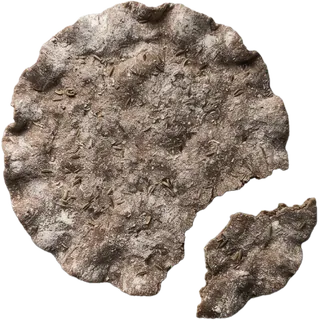
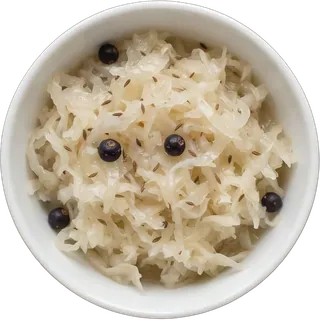
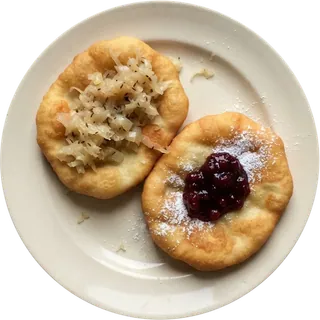
Thin sheets of potato dough fried swimming in hot fat and eaten with sauerkraut — Tyrol's way of using up Sunday's boiled potatoes.
How to order
Sind die Blattln ohne Ei, und gibt es das Kraut ohne Speck?
Ask for a dough without egg and butter, and for the sauerkraut cooked without bacon or lard — the frying is in oil anyway.
History
Blattln are, as Tyrolean innkeepers freely admit, a Resteessen: the potatoes boiled at the weekend were pressed, worked into a dough and rolled paper-thin on Monday. The name simply means little leaves, and in Tyrol and Salzburg it covers any thin sheet of dough fried in fat.
Three versions sit along the same mountain chain — the Zillertal potato Blattln, the Pustertal ones made with grated day-old potatoes and a touch of anise, and the Pongau ones kneaded from rye and wheat flour with boiling water. All three are served with sauerkraut, in the Wildschönau with the local Rübenkraut, and they belong to the autumn Törggelen tables as much as to winter farmhouse kitchens.
Potato, flour, salt and hot oil make the dish; the Blattln are fried in oil everywhere. Egg and butter in the dough are the usual additions and are not needed — the Pongau rye version has never contained either. What does need asking about is the sauerkraut, which is normally cooked with bacon and lard.
Where to get it
Alpine huts and Gasthäuser in the Zillertal, Stubaital, Pustertal and the Pongau, mostly in autumn and winter.