Espinaka kon Avas
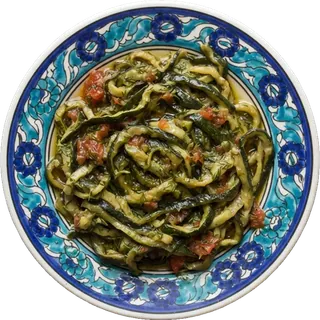
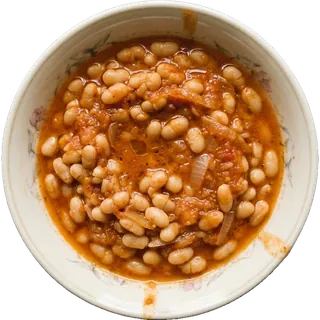
Espinaka kon Avas is spinach stewed slowly with white beans, lemon juice and a spoonful of sugar, cooked until the leaves collapse into the beans and the liquid thickens into a loose, tart sauce.
How to order
Bir porsiyon ıspanaklı fasulye alabilir miyim, lütfen?
Ask first whether egg is used by saying “İçinde yumurta var mı?” (“Is there egg in it?”); if so, request it left out with “yumurtasız olsun, lütfen” (“without egg, please”).
History
Espinaka kon Avas belongs to the Sephardic Jewish kitchens of Istanbul, where it is cooked in neighborhoods such as Balat, Kuzguncuk and Kuledibi and carried today mostly by home cooks and a handful of community kitchens. The pot holds fresh or frozen spinach, dried white beans soaked and boiled until soft, onion, olive oil, lemon juice and a little sugar to balance the sourness. The beans are simmered first, the spinach added afterward and cooked down until soft, then the pot is finished with lemon off the heat. In Ladino the dish is also written Espinaka i Avikas or simply spinaka kon avas; in Turkish it is described plainly as ıspanaklı fasulye.
Everything in the pot is plant: spinach, beans, onion, olive oil, lemon, sugar. The Istanbul version, as cooked in most Sephardic households today, uses no animal product at all, finished only with lemon juice at the end of cooking. Some older home recipes break a raw egg into the hot pot off the heat, or serve a soft-boiled egg alongside, which brings dairy-free but not egg-free into question. Whether a given pot or plate stays plant-based therefore depends on whether egg has been folded in during the last step or added at the table, a detail that has to be settled with whoever made it rather than assumed from the name.
Where to get it
Found on weekday menus at a few Sephardic-run esnaf lokantas around Şişli and Galata in Istanbul, mostly from autumn through spring while spinach is in season.