Essigzwetschgen
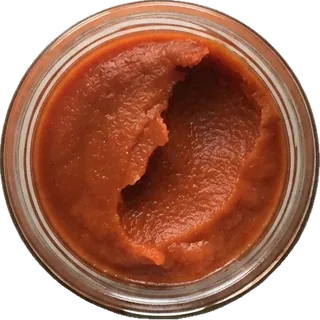
Small purple damsons simmered in vinegar, sugar and whole spices until glossy and dark, sold in sealed jars from farmhouse kitchens in Basel-Landschaft and Aargau, meant to sit beside a plate of sausage or game rather than be eaten on their own.
How to order
Ein Glas Essigzwetschgen, bitte.
Ask the seller if the jar is ‘nur mit Essig und Zucker eingelegt’ — preserved with just vinegar and sugar — since some producers glaze the fruit with honey syrup instead of plain sugar.
History
Essigzwetschgen come from the orchard country of Basel-Landschaft and Aargau, where damson trees line the hills above the Rhein and the Aare. Farmhouses here have preserved the August surplus since at least the nineteenth century, boiling the fruit whole in vinegar, sugar, cinnamon bark and cloves, then sealing it in stoneware or glass jars to last through winter. The jars were kept in the cellar alongside pickled vegetables and used sparingly, spoonful by spoonful, as a sharp counterpoint to the fatty meats of the Sunday table — Siedfleisch, sausage, or roast hare during the autumn hunting season.
Nothing in the pot comes from an animal: damsons, wine or fruit vinegar, sugar and whole spices are the entire recipe, and no stock, lard or gelatin is added at any stage of boiling or sealing. The animal product in this meal sits on the plate next to the jar, in the Siedfleisch or sausage the preserve is meant to cut through, never inside it. A vegan diner only has to settle what else is served on the same plate, not the preserve itself, and can ask whether a commercial producer has altered the recipe with honey or added gelatin for shine.
Where to get it
Found at Hofläden and autumn markets across Basel-Landschaft and Aargau, especially during and after the Zwetschgen harvest in late August and September, then sold from the cellar shelf through winter.