Fiascia
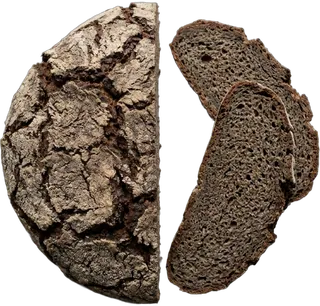
A dark, dense loaf from the chestnut valleys above Locarno, made with chestnut flour cut with wheat flour, its sweetness coming only from the chestnuts themselves.
How to order
Mi dà una fiascia, per favore?
In villages that also bake a festival version, ask if the loaf is ‘solo farina di castagne, farina di grano, acqua e sale’ — flour, water and salt only — since some richer variants add butter or honey to the crumb.
History
Chestnut flour was the winter staple of the Ticino valleys above Locarno — Valle Maggia, Valle Verzasca, Onsernone, Centovalli — where chestnut woods covered the slopes too steep and poor for wheat. Families dried the harvest in stone-built grè huts over slow smoke through October and November, then milled it through the winter at communal mills. Fiascia, sometimes called pane di castagne, was baked from this flour in household batches, often only every few weeks, since mountain ovens were fired communally and bread was made to keep. The practice held into the twentieth century in villages where wheat had to be carried in from the valley floor.
The dough is chestnut flour, a portion of wheat flour to bind it, water and salt, leavened and baked as the mountain bakers always made it — nothing in the method calls for milk, butter, lard or egg. Where Ticino bakers do sometimes depart from the plain recipe is in richer village versions of chestnut bread made for festivals, which can include butter or honey worked into the crumb. Fiascia itself, the thin-crusted valley loaf, has no such addition in the traditional method, so the only thing to settle is whether the specific loaf on the counter is that plain version or a festival variant.
Where to get it
Found in small bakeries and village shops through the Valle Maggia, Valle Verzasca and Onsernone, and at chestnut-harvest sagre held across these valleys in October and November.