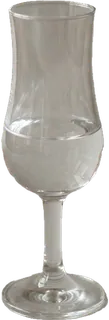
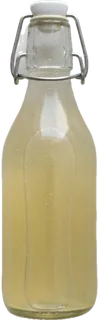
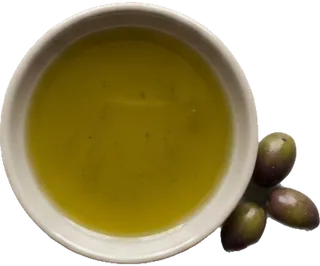
Nocino
A dark digestivo made by steeping unripe walnuts in grappa with sugar and spice for weeks under the summer sun, until the liquid turns near-black and faintly bitter.
How to order
Mi dà un bicchierino di nocino, per favore?
Ask whether the bottle is the plain version or the cream-finished one; a shopkeeper or label will confirm it is ‘solo noci, zucchero e grappa’ — just walnuts, sugar and grappa — with nothing added afterward.
History
Nocino is made across northern and central Italy, and in Ticino it has long been a household practice in the farming valleys of the Mendrisiotto and Malcantone. Families picked green walnuts before the shell hardened inside, traditionally around the feast of San Giovanni on 24 June, when the husk could still be pierced with a needle. The walnuts were quartered or left whole, packed into glass jars with grappa, sugar, cinnamon, cloves and lemon peel, then set on a windowsill or outside in full sun for six to eight weeks, the jars turned and shaken by hand until the liquid darkened from green to black.
Everything in the jar is plant matter: walnuts, spirit, sugar and spices, with no dairy, egg or honey in the traditional method. Where it can change is in the sweetener and in later bottling — some producers replace part of the sugar with honey, and ready-bottled 'crema di nocino' versions sold in delicatessens sometimes have fresh cream whisked in just before serving, as a dessert liqueur rather than the plain digestivo. A diner choosing a bottle, or an after-dinner glass at an osteria, should ask whether it is the plain nocino or the cream version, since only the former keeps to the old recipe.
Where to get it
Found in village grocery stores, farmhouse stalls and autumn fairs across the Mendrisiotto and Malcantone, usually sold once the summer's batch has finished steeping, from September onward.