Farina bóna
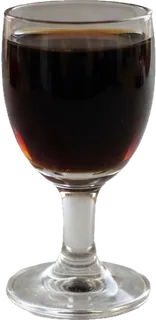
A fine, toasted maize flour ground in the water-mills of the Valle Onsernone, taken by the spoonful or stirred into a glass of water, red wine or grape juice for a quick, portable meal.
How to order
Mi dia un etto di farina bóna, per favore.
Ask whether the flour is sold plain or already paired with a suggested drink; you can say ‘solo la farina’ to confirm you're buying just the toasted maize, with nothing mixed in.
History
Maize reached the southern valleys of Ticino in the seventeenth century and became the grain of households too poor to buy wheat. In the Valle Onsernone, kernels were dried and toasted over wood fires in stone kilns before being ground to a fine flour at water-powered mills along the Isorno river, in villages such as Loco and Comologno. The resulting farina bóna, 'good flour', needed no cooking: herders and farm workers carried a handful in a cloth or tin and ate it on the move, through the nineteenth century and into the early twentieth, before the valley's mills fell silent and the flour nearly disappeared from use.
Toasted maize is the entire dish: no egg, fat or dairy enters at any stage of drying, roasting or milling. The only point where an animal product has traditionally joined it is at the table, where farina bóna was most often stirred into a bowl of milk rather than water or wine. The flour itself is plant-based as sold; a diner only needs to settle what liquid it goes into, since milk remains the customary pairing in Onsernone households even today.
Where to get it
Sold at grist mills and farm shops across the Valle Onsernone, particularly around Loco and Comologno, and in Ticino grocery stores; available year-round but tied to the autumn maize harvest and milling season.