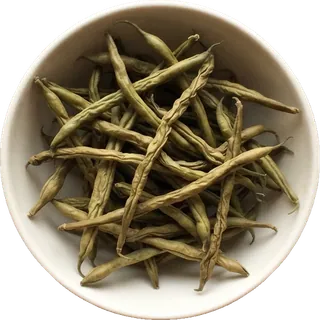
Génépi
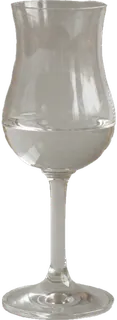
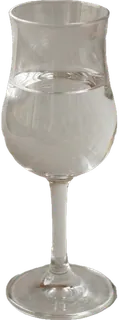
A pale, bitter-sweet liqueur distilled from alpine wormwood gathered above the treeline in Valais, bottled with its own stems standing upright inside.
How to order
Un génépi, s'il vous plaît.
In a mountain café or farm shop, ask ‘c'est au sucre ou au miel?’ — sugar or honey — since both versions sit on the same shelf and only one is free of honey.
History
Génépi is made from Artemisia species — genipi, umbellata, mutellina — that grow in rock crevices between 2000 and 3300 metres across the Valais Alps. Shepherds, chamois hunters and mountain guides traditionally picked the small grey-leaved plant during its short flowering window in July and August, then steeped it in pear or grape eau-de-vie with sugar back in the village. It was carried as a digestif and as a remedy against stomach cramps and the effects of altitude. Wild picking depleted slopes badly enough that Switzerland and France restricted harvesting through the twentieth century, pushing most génépi today toward cultivated plots or licensed collection, though home-infused bottles from wild-gathered stems are still common in Valais households.
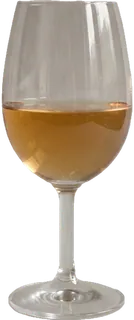
Everything in the bottle is plant and alcohol: the Artemisia stems, a spirit base, sugar or syrup, and water to bring it to proof. There is no point in the traditional process where an animal product enters — no dairy, no gelatin for clarifying, nothing added at the table. The one variant to ask about is honeyed génépi, where honey replaces some or all of the sugar; it's common enough in mountain cafés and farm shops that it's worth a direct question rather than an assumption. Outside that, a bottle labelled génépi is plant-based as sold.
Where to get it
Farm stores, mountain-village co-ops and specialty liquor shops across Valais sell it year-round, with fresh bottlings appearing in autumn after the summer harvest of the plant.