Eau-de-vie de poire du Valais
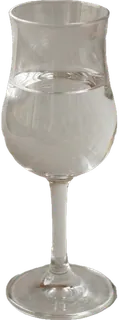
Clear, unsweetened pear brandy distilled in the Rhône valley, sometimes bottled around a single whole pear grown on the branch and later freed by cutting the twig, the fruit maturing inside the glass through summer.
How to order
Un verre de Williamine, s'il vous plaît
Ask for ‘une williamine’ or ‘une eau-de-vie de poire’ at the distillery counter; the spirit itself is always plant-based, so the only thing to check is whether a cream liqueur or advocaat-style bottle sold alongside shares the shelf.
History
Williams pears were planted across the Valais in the late nineteenth century, after the variety arrived in Switzerland from England, and by the 1930s growers in the Rhône valley around Martigny, Saxon and Fully were distilling surplus fruit into a clear spirit. The distiller Louis Morand of Martigny registered the name 'Williamine' for his eau-de-vie in 1946, and the term is now used loosely for Valais Williams pear brandy in general, though only Morand's bottling may legally carry the trademark. Farmers delivered ripe, bruised or unsellable pears to local stills after the September harvest, turning fruit too soft for market into something that kept.
Pears, water and the wild or cultivated yeasts that ferment the mash are all that go into the wash before distillation; the finished spirit holds no sugar, cream, honey or egg white, ingredients sometimes used to finish other European fruit liqueurs. In the ornamental version, the bottle is slipped over a young pear still attached to its branch, and the fruit grows to full size inside the glass before the twig is cut, so nothing beyond the pear itself ever enters it. What is worth checking at the counter is not the eau-de-vie itself but what stands beside it on the same shelf: Valais producers often also sell cream-based pear liqueurs or advocaat-style blends under similar labels.
Where to get it
Sold at family distilleries and their shops around Martigny, Saxon, Fully and Sion in the Rhône valley, and at valley markets after the pear harvest in September and October, though bottled stock is available year-round.