Pain bénit du Valais
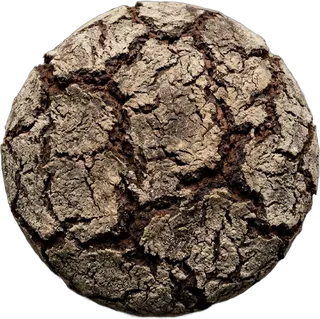
Small rye-and-wheat loaves, scored with a cross before baking, handed out at the church door after mass on a parish's patronal feast day in Valais villages.
How to order
Un pain bénit, s'il vous plaît.
Ask whether the crust was glazed before baking, since some bakeries brush it with milk or egg for the feast-day batch; a baker who made it ‘sans dorure’ has left the crust plain.
History
Pain bénit — also called pain de sainte-messe in some Valais parishes — comes out of a Catholic custom recorded across French-speaking Switzerland from at least the 17th century: bread blessed by the priest at the end of Sunday mass and shared among the congregation, standing in for communion for those who had not received it. In Valais mountain communes the local baker, or a household taking its turn in rotation, prepared the loaves the night before the feast, using the same rye-and-wheat dough baked for everyday bread, scored with a cross on top so it could be recognized and cut into pieces at the church door.
The dough is rye flour, wheat flour, sourdough leaven, water and salt — nothing in it comes from an animal, and nothing in the method requires milk, butter or egg to bind or glaze it. Where the question comes up is downstream of the oven: some parishes, especially for larger feast-day batches, had bakers brush the crust with a beaten egg or a little milk for colour, or bake a richer wheat version alongside the rye for the priest's table. The plain rye loaf itself needs no adjustment; what has to be checked is only whether a given bakery's batch was glazed.
Where to get it
Village bakeries in Valais communes bake it to order around a parish's patronal feast day, when it is distributed after Sunday mass rather than sold over a regular counter.