Hanepoot
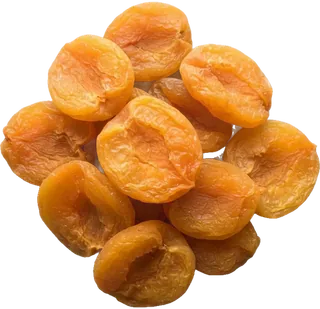
A thick-skinned Muscat of Alexandria grape, intensely perfumed, ripens along the Orange River and in the Boland through January and February. Farm stalls sell it fresh by the kilogram, dry it into raisins, or ferment it into a sweet fortified wine sold in Paarl's cellars.
How to order
Kan ek asseblief 'n tros hanepoot kry?
The grapes and the raisins need nothing asked of them. The sweet fortified wine pressed from the same fruit is another matter, since wine is often fined with egg white, casein or fish glue — at a cellar door ask “Is hierdie wyn vegan-vriendelik verfyn?”, and in the Boland tasting rooms the answer usually comes in English.
History
Hanepoot is Afrikaans; the grape came to the Cape from the Mediterranean with Dutch settlers in the seventeenth century and is now grown along the Orange River around Upington and in the Boland around Paarl and Worcester. The name is commonly said to mean 'rooster's foot', after the shape of the vine's tendril. Pickers, many descended from the enslaved and indentured labourers who worked Cape vineyards under Dutch and British colonial rule and were later paid partly in wine under the dop system, harvest it from January to March, laying bunches on wire racks for raisins or carting them to the cellar for fortified wine.
The grape itself, fresh or dried into raisins, is entirely plant; nothing is added at any stage. Pressed and fermented into hanepoot or jerepigo-style dessert wine, the juice may later be fined with gelatine, isinglass or egg white to clear it before bottling, a step done at the cellar, not at the table. Fresh grapes and raisins need no checking. A bottle of the wine is a different matter: whether a particular cellar used an animal-derived fining agent or a plant-based one such as bentonite clay varies by producer, so that is the detail a buyer has to settle before pouring.
Where to get it
Padstalle along the N14 outside Upington sell hanepoot by the kilogram in January and February, roughly R15 to R25 a kilogram; wine farms around Paarl and Worcester sell jerepigo and hanepoot dessert wine year-round from the cellar door, around R60 to R120 a bottle.