Hommos el Sham
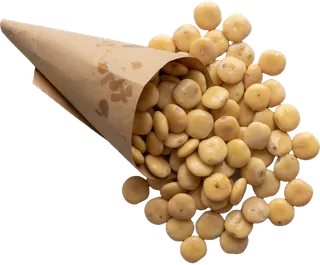
Whole chickpeas simmered until soft and ladled hot from a brass urn into paper cups, seasoned with cumin, salt and a squeeze of lemon. It is sold on Cairo streets in winter, from carts and fixed stalls, as a quick hot snack rather than a seated meal.
How to order
واحد حمص الشام لو سمحت
The standard cup is just chickpeas, cumin, salt and lemon, so there is little to check; if a vendor offers extras it is fine to ask ‘في حاجة تانية في الكوب؟’ to confirm nothing else has been added.
History
Hommos el Sham is sold from carts and small fixed stalls across Cairo, ladled from tall brass or tinned-copper urns called hanatir that keep the chickpeas hot through a winter evening. Vendors cook the chickpeas in advance in large pots, then transfer them with their cooking liquid to the urn for service, selling by the cup from pavement corners near transport hubs and markets. The trade is documented in Cairo street-food accounts from the early twentieth century and continues today, concentrated in the colder months when hot dishes sell better than cold snacks. The name ties the dish to Damascus, el Sham in Arabic, reflecting a Levantine style of serving chickpeas in liquid rather than as a paste or dip.
The dish is naturally vegan: whole chickpeas are boiled in water seasoned with cumin and salt, with lemon added at serving, and no broth, fat or dairy enters the pot at any stage. This sets it apart from dishes such as molokhia or stuffed vegetables, where chicken or meat broth is the default cooking liquid in Cairo kitchens. The only point worth checking at a stall is whether a vendor has added anything beyond cumin and lemon, since some add a spoon of samna to round out the liquid or a fried garnish from a shared fryer used for other snacks.
Where to get it
Sold from carts and small fixed stalls on Cairo pavements in winter evenings, often near transport hubs and older market streets such as those around Ataba and Sayeda Zeinab.