Zalabya
Spoonfuls of yeasted batter, deep-fried until golden and dropped straight into syrup while still hot, sold from street carts in Cairo and at the moulid of Sayyid al-Badawi in Tanta.
How to order
ممكن طبق زلابية لو سمحت
At a cart or festival stall it is worth asking which syrup is poured on, since ‘ده قطر سكر ولا عسل نحل؟’ confirms whether it is sugar syrup or bee honey; the batter itself is already free of egg and dairy.
History
Zalabya is sold year-round from street carts and sweet shops in Cairo, and in large quantities at the moulid of Sayyid Ahmed al-Badawi in Tanta, a Sufi festival held each October that draws visitors from across the Nile Delta. Vendors mix a yeasted batter, let it rise, then drop spoonfuls into hot oil and lift them out golden before rolling them in syrup. A related fritter called zalabiya appears in the tenth-century Baghdadi cookbook Kitab al-Tabikh, and versions of it are documented across the Islamic world from Morocco to Indonesia; the Egyptian version is fried to order and eaten within minutes, not kept for later.
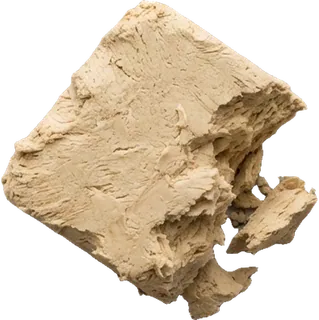
The batter is flour, yeast, water and a pinch of salt, with no egg, milk or butter; the syrup is sugar and water, sometimes with a few drops of lemon, and contains no bee honey (عسل نحل). This is the standard recipe sold at carts and at the Tanta moulid, so zalabya needs no substitution to be plant-based. The one variable worth checking is the finish: some stalls drizzle bee honey over the fritters instead of sugar syrup, or fry a richer version in samna. Asking which syrup is used covers both cases, since nothing else in the standard recipe draws on an animal ingredient.
Where to get it
Sold hot from street carts and small sweet shops in Cairo year-round, and in volume at the moulid of Sayyid al-Badawi in Tanta each autumn, where rows of vendors fry it to order.