Sudani
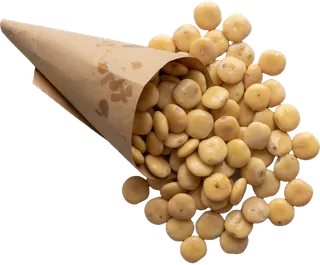
Sudani are peanuts roasted over hot sand in a revolving metal drum mounted on a street cart, then scooped hot into a twist of paper and sold by weight. Cairo carts set up near metro stops, cinemas and park gates, the drum turning slowly over a charcoal or gas flame below.
How to order
ممكن سوداني لو سمحت
Plain roasted sudani from a drum cart is peanuts and salt only, but some carts also sell sugared or spiced batches; ask ‘ده سادة ولا فيه حاجة تانية؟’ to check whether anything beyond salt has been added before buying.
History
Street vendors in Cairo roast sudani in a drum oven set on a pushcart, the peanuts tumbling over heated sand so the heat reaches them evenly without scorching the shells or kernels directly. The carts are fixtures on pavements near cinemas, schools, metro entrances and public gardens, lit by a small gas burner or charcoal fire beneath the drum. The trade is documented through much of the twentieth century in Cairo and other Egyptian cities, run by individual vendors who buy raw peanuts in sacks from wholesale markets and roast through the afternoon and evening. Paper cones, often made from old newspaper or printed paper, are folded to order and filled by the handful, sold by weight or by a fixed small price per cone.
Sudani contains nothing beyond peanuts and salt, so the naturally vegan label holds without qualification for the standard street version. There is no broth, butter or samna involved at any stage, since the drum roasts the peanuts dry over sand rather than frying them in fat. The only things to watch for are flavoured variants some carts now offer, such as spiced or sugar-coated peanuts, where a glaze may include milk solids or egg white; the plain roasted salted version sold from the drum carts remains unchanged animal-free.
Where to get it
Street carts with a revolving roasting drum set up outside metro stations, cinemas, schools and public gardens across Cairo, usually lit and selling from late afternoon into the evening.