Huile de noix vaudoise
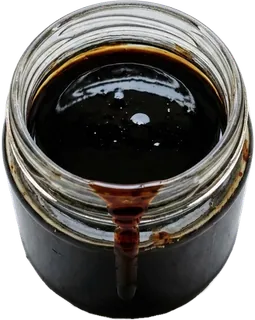
Walnut oil pressed in Canton Vaud is made by crushing shelled kernels after they have been roasted in a cast-iron pan over a wood fire, then pressing the warm paste under a stone or hydraulic press. The result is a dark, thick oil used cold, a few drops at a time, over potatoes or green salad.
How to order
Je voudrais un peu d'huile de noix, s'il vous plaît.
Ask whether the oil is pressed from walnuts alone, ‘uniquement des noix’, since some producers sell blends mixed with sunflower or rapeseed oil to stretch the batch.
History
Walnut trees have grown along the slopes of Lavaux and in the Broye and Gros-de-Vaud districts of Vaud since at least the 17th century, planted at field edges and farmhouses for their wood and their nuts. Pressing the nuts into oil was a farm task done after the autumn harvest, when households brought sacks of shelled kernels to the local moulin à huile, a communal press often attached to a mill or farm, to have them roasted and pressed for a fee paid in oil or coin. Some of these presses, run by a single family across generations, are still working in the canton today, pressing on order each autumn and winter.
Everything in the process is plant: walnuts, the wood fire that roasts them, and the press that extracts the oil. No animal fat, butter or egg enters at any stage, since the method relies only on heat and mechanical pressure to separate oil from kernel. Because the oil is usually bottled plain, with no second ingredient, there is little for a plant-based buyer to check beyond confirming that the bottle contains walnut oil alone and not a blend cut with another pressed oil.
Where to get it
Look for it at farm presses (moulins à huile) in the Vaud countryside and at autumn and winter markets in Lausanne, Moudon or Yverdon, when the new season's walnuts have just been pressed.