Rhubarbe du Vully
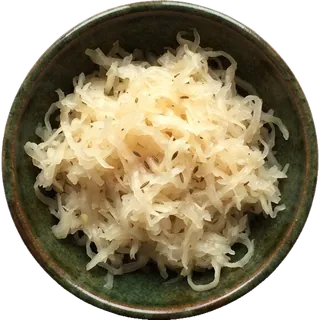
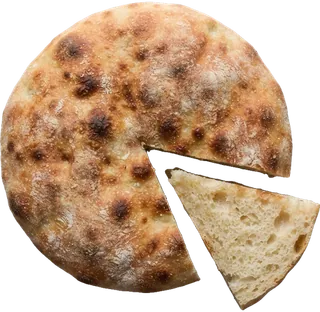
Pale pink stalks grown on the sandy, lake-facing slopes between Môtier and Nant, cut in May and June, then stewed with sugar or baked under a pastry lid into a tart sold by the slice at village stands.
How to order
Ein Stück Rhabarberwähe, bitte.
Ask whether the crust is made ‘ohne Butter’ (without butter) and the filling ‘ohne Ei’ (without egg), since stewed rhubarb sold loose in a tub is plant-based by default but the baked tart is not guaranteed to be.
History
The Vully is a low ridge of vineyards and market gardens straddling the cantons of Fribourg and Vaud, facing south over Lake Morat. Sandy, well-drained soil there has suited rhubarb since market gardening took hold in the villages of Môtier, Nant, Praz and Lugnorre in the late nineteenth century, when growers sold produce by cart to Fribourg and Murten. Rhubarb stalks, pulled from April through June, were stewed with sugar for compote or set into open tarts for Sunday meals and village fêtes. By the mid-twentieth century the Vully's rhubarb had become a recognized regional crop, sold at roadside stands and in the Murten market alongside asparagus and strawberries grown on the same slopes.
Stewed rhubarb needs nothing beyond the stalks, sugar and water, and is naturally plant-based as eaten in most Vully kitchens. The question sits in the tart: the pastry shell is traditionally made with butter and the custard poured over the fruit before baking typically includes egg and cream. A compote or a rhubarb jam bought at a farm stand involves no animal ingredient at all; a wedge of tarte aux rhubarbes from a bakery case needs the crust and any custard checked, since both are where butter and egg enter this cuisine.
Where to get it
Roadside stands and farm stalls in Môtier, Nant, Praz and Lugnorre sell rhubarb by the kilo from April to June; the Murten Saturday market and Fribourg grocers carry it stewed or baked into tarts through early summer.