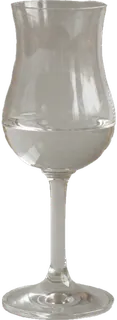
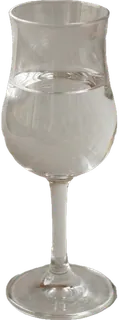
Eau-de-vie de poire à Botzi
A clear spirit distilled from the small, hard Botzi pear grown around Gruyère and the Sarine valley, carrying the fruit's sugar into alcohol rather than onto the Bénichon table.
How to order
Einen Botzi-Birnenschnaps, bitte.
Ask for a ‘reiner Brand’ rather than a ‘Likör’, since the plain distillate has nothing added, while some bottled liqueurs list honey or cream among the ingredients on the back label.
History
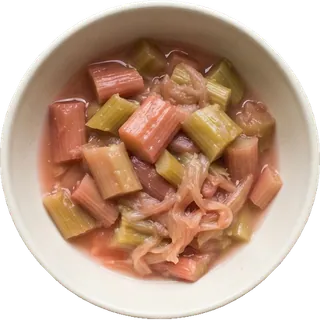
The Botzi pear is a small, russet-skinned variety grown in canton Fribourg since at least the 19th century, too firm and tannic to eat raw, which is why farmers there put it to two uses: stewed whole in sugar and cinnamon for the autumn Bénichon feast, and fermented and distilled into eau-de-vie when the harvest ran beyond what the kitchen needed. Distillation was done by itinerant or communal bouilleurs de cru, often under permit from the federal alcohol administration, with stills set up farm by farm after the pears were gathered in October.
The spirit itself is pear and nothing else: fruit mash ferments on its own sugars and wild or added yeast, then passes through the still, leaving water, alcohol and aroma compounds behind, with no dairy, egg, gelatin or honey involved at any stage. The animal product in this cuisine sits elsewhere, in the Bénichon ham the stewed pears are served beside, not in the pear or the bottle. What to watch for is only the label: some pear brandies are sold as sweetened liqueurs with added honey or cream, which is a different product from the dry, additive-free eau-de-vie described here.
Where to get it
Farm distilleries and cellar shops around Gruyère and the Sarine valley sell it year-round, with extra stalls at Bénichon market fairs in late September and October.