Moutarde de Bénichon
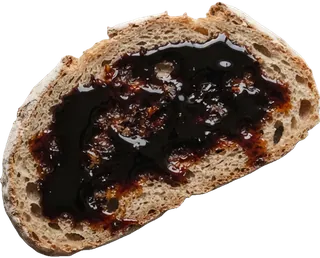
A dark, syrupy mustard from the canton of Fribourg, thickened with mustard flour and sugar and scented with star anise. Spread thin on a slice of saffron brioche, it is the fixed counterpart to the Bénichon bread at the autumn Bénichon festival in Gruyère district.
How to order
Könnte ich bitte ein Glas Bénichon-Senf haben?
Ask whether it comes already spread on the brioche or sold separately in the jar; the jarred mustard itself needs no animal ingredient to begin with. Some Fribourg stalls label it ‘ohne tierische Zutaten’ for German-speaking visitors, though this is a courtesy note rather than a change to the recipe.
History
The Bénichon festival marks the return of herds from alpine pastures each autumn in the canton of Fribourg, a custom recorded in Gruyère district communes since at least the 18th century. Moutarde de Bénichon was developed as the fixed accompaniment to the bread baked for that feast, thickened with mustard flour, sugar and white wine and spiced with star anise, cinnamon and cloves. Grocers and condiment makers in Bulle and the surrounding Gruyère valleys cooked batches each September in copper pans, selling it in small pots or by the spoonful at the market stalls set up for the festival. The mustard travelled with the bread it was made for and rarely appears outside that calendar.
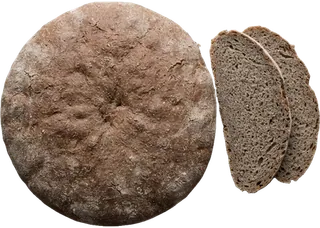
Every ingredient in the mustard is plant: mustard flour, sugar, white wine, water and spices, cooked without stock, lard or gelatin. The animal product in this pairing sits in the bread, not the mustard — Bénichon bread (pain de Bénichon) is a saffron brioche enriched with butter and egg, baked separately and sold alongside the mustard jar. A diner buying the mustard alone gets a plant-based product by default; the question only arises when it is served already spread on the brioche, which is the customary way it reaches the table at the festival itself.
Where to get it
Market stalls and grocers in Bulle sell it in small jars during the Bénichon festival in September and October, and condiment shops across the Gruyère district stock it year-round.