Raisinée
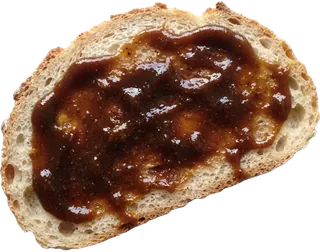
A near-black syrup made by boiling apple and pear juice for a full day and night, until it turns thick, dark and intensely sweet. Spread on bread or stirred into desserts, it needs nothing added — the fruit provides all the sugar itself.
How to order
Ich hätte gern ein Glas Raisinée, bitte.
Ask the seller whether it is ‘nur Apfel und Birne’ — just apple and pear — since a few producers stir in a spoonful of sugar or dried fruit for extra sweetness; the plain versions have no additives at all.
History
Raisinée has been made for generations in the Vully region, straddling the cantons of Fribourg and Neuchâtel between Lake Morat and Lake Neuchâtel. After the autumn apple and pear harvest, villagers pressed the fruit and poured the juice into large copper cauldrons set over open wood fires, where it was stirred for roughly twenty-four hours until reduced to a dark, viscous syrup. The work was communal: neighbours took turns watching the fire through the night, and the finished raisinée was ladled into jars to last the winter. It became closely tied to the Fribourg harvest festival, the Bénichon, held each September, where it is served alongside meringues and mustard.
Everything in the cauldron is fruit: apple juice, pear juice, sometimes a few quinces for sharpness, and nothing else. No milk, butter or honey is added during the boiling, and none is needed, since the natural sugars in the fruit thicken on their own as the water evaporates. The only point to check is at the table rather than in the pot: raisinée is traditionally served alongside meringues topped with double cream, or spread on bread already buttered, so the syrup itself is plant-based but the plate around it may not be.
Where to get it
Sold in jars at farm stands and village markets across the Vully and Broye valleys, especially in September and October around the apple and pear harvest, and at Bénichon stalls in Fribourg.