Pain aux noix neuchâtelois
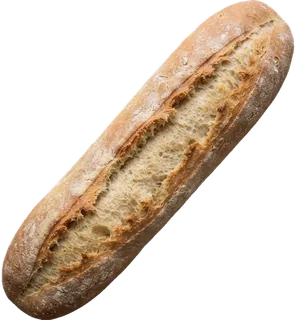
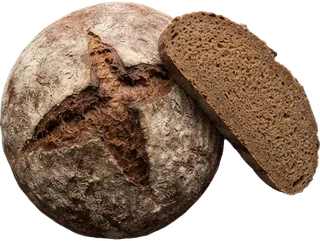
A dense, dark-crusted wheat loaf from the Neuchâtel jura, studded throughout with whole walnut kernels rather than ground paste, cut thin and set alongside a cheese board rather than eaten plain.
How to order
Je voudrais un pain aux noix, s'il vous plaît.
Ask whether the dough is enriched before you buy: a bakery that adds butter or an egg glaze will usually say so if you ask ‘c'est juste pâte, eau et noix?’ — if the answer is yes, it's the plain traditional loaf.
History
Walnut trees have grown along the Neuchâtel lake shore and up into the Val-de-Ruz since at least the 18th century, planted at farmhouse edges for oil as much as fruit. Bakers in the canton folded the autumn harvest whole into a plain wheat dough, producing a loaf dense enough to keep through winter and strong enough in flavour to pair with the region's hard cheeses. It was baked at home or in village ovens after the October harvest, sliced thin, and served as an accompaniment rather than a meal on its own. The name pain aux noix covers loaves from Fribourg and the Jura too, but the Neuchâtel version is kept notably dense and dark-crusted.
Wheat flour, water, salt, a leaven and the walnuts themselves are all plant in origin, and the traditional dough has no dairy, egg or fat worked into it — the bread was built to be eaten with cheese, not to carry it. Nothing in the base recipe requires settling. Where a diner should still ask is at bakeries that enrich the dough with butter for a softer crumb, or brush the crust with egg for shine before baking, both common enough variations in cantons that also sell a buttered version under the same name.
Where to get it
Village bakeries across the Val-de-Ruz and in La Chaux-de-Fonds carry it year-round, but it is most common at autumn markets after the October walnut harvest, often sold at the same stalls as the local cheeses it's meant to accompany.