Eau-de-vie de prunes
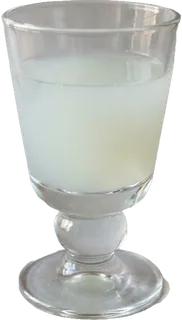
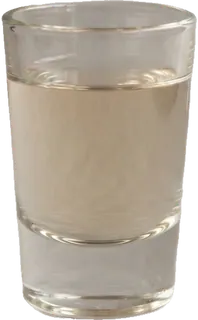
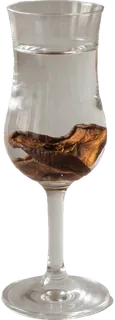
A clear spirit distilled from mixed plums grown in the vineyard villages above Neuchâtel, usually poured in small glasses after a meal or offered to visitors in the cellar where it was made.
How to order
Un verre d'eau-de-vie de prunes, s'il vous plaît
Ask the producer whether the bottle is ‘pur fruit’, meaning nothing but distilled plum went in, since some commercial bottlings are cut with neutral alcohol or sweetened after distillation.
History
Fruit distilling spread through the Neuchâtel vineyard region from the 18th century onward, when farmers held bouilleur de cru rights allowing them to distill their own harvest surplus, often in a shared still that moved between villages each autumn. Plums were the most common base fruit, grown in household orchards alongside the vines and picked in September once they had dropped or softened fully. Each farm distilled its own batch, usually a mix of whatever plum varieties stood in the orchard that year, including quetsche and the small blue prune de Bâle, rather than a single named cultivar.
The mash is fruit, water and the wild or added yeast that ferments it; nothing animal enters the process at any stage, since distillation separates alcohol and aroma compounds from a fermented fruit pulp and nothing else is added to that pulp. What a diner has to check is not the distillate itself but what a producer does to it afterward: some bottlings are sweetened, colored or blended with other flavorings before sale, and those additions are where a buyer should ask rather than assume.
Where to get it
Farm distilleries and cellar doors in the Neuchâtel vineyard villages sell it directly, often only by appointment or at autumn harvest fairs after the plum crop comes in.