Träsch
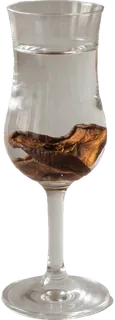
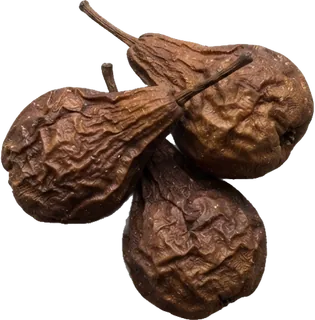
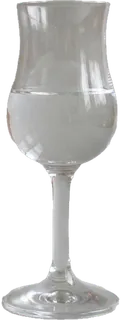
A rough-edged fruit brandy from Nidwalden and Obwalden, distilled from apples and pears mashed and fermented together rather than kept apart like a Williams or a pure Obstler.
How to order
Ein Träsch, bitte.
Ask plainly for ‘Träsch’ and not ‘Rahm-Träsch’, since the latter has cream blended in after distillation; the plain spirit is apples, pears and water with nothing added.
History
Träsch comes from the orchard meadows of central Switzerland, in the cantons of Nidwalden and Obwalden, where apple and pear trees have long been grown together in the same Mostobst orchards rather than in separate plots. Farmers pressed and fermented the windfall and surplus fruit of both together in a single mash, then took it to a village or farmhouse still, often under the old Swiss home-distilling right (Hausbrand) that let a household distil its own fruit tax-free for personal use. The mixed mash saved a second pressing and a second still run, and gave a rougher, more variable spirit than single-variety brandies made in the same region.
Everything in the bottle is plant: fermented apple and pear juice, reduced by distillation to a clear spirit, then cut with water to drinking strength. There is no stage in the traditional process, at the farm or at a village Brennerei, where milk, cream, egg white or any other animal product enters — fruit brandies need no fining agents, since distillation itself separates the alcohol from solids and proteins. The only thing worth checking at the counter is whether the bottle is plain Träsch or a bottled «Rahm-Träsch» cream variant some producers sell alongside it, which is a different, dairy-based drink under a similar name.
Where to get it
Farmhouse distilleries (Hofbrennereien) and village shops around Stans and across Obwalden sell it by the bottle, usually from late autumn once the fruit harvest has been pressed and distilled.