Dörrbirnen
Small whole pears, dried in the residual heat of the bread oven until the skin wrinkles and the flesh turns dark and chewy. A winter store from the valleys of Obwalden and Uri.
How to order
Ein Säckli Dörrbirnen, bitte.
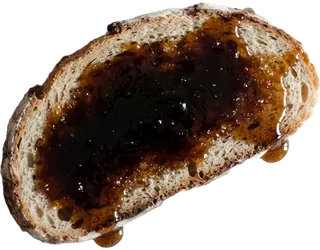
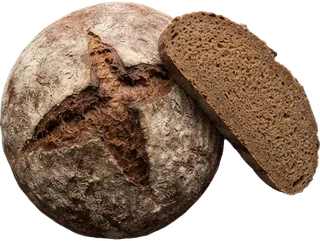
Loose Dörrbirnen sold by weight are just dried fruit, but if buying them baked into Birnbrot ask whether the dough is made ‘nur mit Wasser, Mehl und Hefe’ or whether butter or egg wash was used.
History
Dörrbirnen — literally 'dried pears' — come from the central Swiss cantons of Obwalden and Uri, where small hard pear varieties unsuited to fresh eating were preserved for the winter months. After the household bread was baked, families laid the whole pears on racks or straw in the cooling bread oven, where the falling temperature over one or two days dried them slowly instead of baking them. This practice is documented in alpine farming households from at least the 18th century, tied to the autumn pear harvest and the twice-yearly communal oven firing. Dried this way, the pears kept through winter without a cellar or ice, and were later used whole, stewed, or chopped into the filling for Birnbrot.
Only pears and heat are involved; nothing in the drying process calls for an animal ingredient. Dörrbirnen eaten on their own, as sold loose by weight, are naturally plant-based with nothing to check. The question arises only downstream, when they are baked into Birnbrot or Birnweggen, where the dough can contain butter, milk or egg wash, and where older household recipes sometimes mixed a little lard into the pastry for shortness. A bag of plain Dörrbirnen needs no scrutiny; a pastry containing them does.
Where to get it
Farmhouse stalls, village Chäsmärt stands, and small bakeries across Obwalden and Uri sell them by the bag from late autumn through winter, once the pear harvest and oven-drying are done.