Birnenhonig
A spoonable dark syrup made by reducing pressed pear juice for twelve hours or more until it thickens to the consistency of honey, used in Lucerne and Obwalden farmhouses to sweeten porridge, bread and baked pears before refined sugar reached mountain villages.
How to order
Ein Glas Birnenhonig, bitte.
Ask whether it is pure pear, since some dessert versions are blended with real honey or gelatin; a label reading ‘reiner Birnensaft, eingekocht’ (pure pear juice, boiled down) confirms the traditional recipe.
History
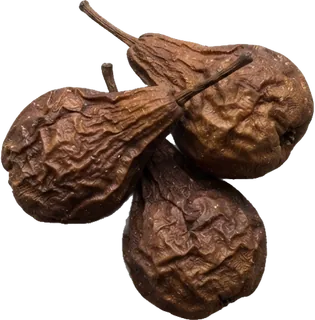
Birnenhonig, also called Birnel in parts of central Switzerland, was made on farms in the cantons of Lucerne and Obwalden from the surplus of small cider pears that grew on the hillsides of the Entlebuch valley and the Sarneraatal. After the October harvest, growers pressed hard perry varieties such as Gelbmöstler and Wasserbirne into juice and simmered it for twelve to twenty hours in copper kettles over wood fires, skimming the foam as it reduced, until several hundred litres of juice became a few jars of thick, dark syrup. The work was timed to the pear harvest, done in farm kitchens before winter set in.
The entire process uses only pears and water from pressing: no animal product enters at any stage, and despite the name, no bee honey is involved - "Honig" here describes the syrup's dark, viscous texture, not an ingredient. The dish is naturally plant-based as traditionally made. The one point to check is at the counter, not in the pot: a few modern confectioners blend Birnenhonig with real honey or add gelatin when selling it as a dessert topping, so a jar labelled simply "Birnenhonig" from a farm press is the one to trust as pear alone.
Where to get it
Sold in farm shops (Hofläden) and autumn markets through the Entlebuch valley in canton Lucerne and around Sarnen in Obwalden, in glass jars, with most of the year's syrup made right after the pear harvest in October.