Bürli
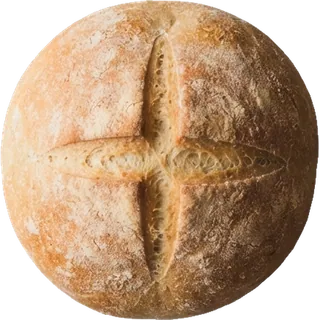
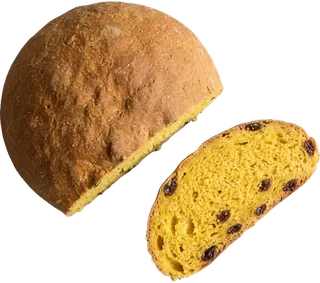
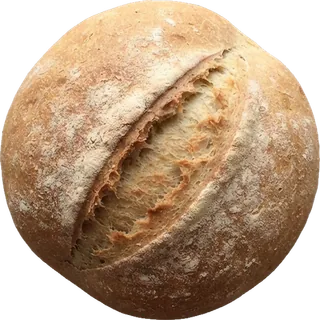
Small crusty rolls baked two at a time so they fuse along one side, then pulled apart at the counter. Common across eastern and central Switzerland, sold plain or as the holder for a grilled sausage.
How to order
Zwei Bürli, bitte
The roll itself is plain dough, so there is nothing to clear with the baker; if it's being sold filled, ask ‘ist das Bürli pur, ohne Butter?’ to get it unbuttered.
History
Bürli developed in Swiss bakeries in the cantons of St. Gallen and Lucerne during the 19th century, when bakers set rolls in pairs on the oven sheet to save space, letting the dough touch and bond along one edge. Pulling the two apart after baking left a soft, pale seam next to the hard crust, a texture bakers kept deliberately rather than separating the rolls before baking. They became the standard roll sold at Saturday markets and at sausage stalls in St. Gallen, where the St. Galler Bratwurst is handed over tucked into a Bürli instead of a bun, eaten without mustard by local convention.
The dough is wheat flour, water, salt and a little malt or yeast, worked wet and left to rise before a hot, steamed oven gives it the crust. Nothing in that list comes from an animal, so the roll itself is plant-based as baked. Butter enters only at the table, spread by the customer or added by a stallholder building a sandwich, so the roll itself needs no adjustment — the only thing to check is what, if anything, has been put inside it or on it before it reaches you.
Where to get it
Bakeries and Saturday markets across St. Gallen and Lucerne sell them fresh each morning, year-round, often alongside sausage stalls at weekly markets.