Agathabrot
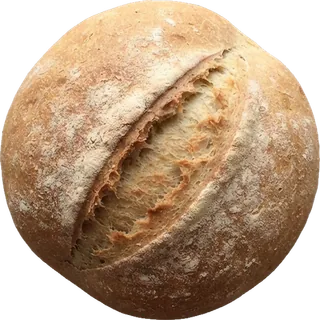
A fist-sized wheat loaf blessed in the parish church on 5 February and carried back to the kitchen, where it is kept in a cupboard or near the hearth as protection against fire through the year.
How to order
Ich hätte gern ein Agathabrot, bitte.
Ask the bakery whether this batch is made ‘ohne Milch und Ei’, since some sell an enriched version outside the week of the blessing.
History
The custom is tied to the feast of St Agatha, 5 February, observed in Appenzell Innerrhoden and parts of St Gallen since at least the 19th century, though the veneration of Agatha as a protector against fire goes back to medieval practice across Catholic Switzerland. Households baked or bought small wheat loaves, brought them to Mass to be blessed by the priest, and carried them home. A piece was kept year-round in the kitchen or granary, and in some villages a corner was broken off and fed to livestock or mixed into seed grain to extend the protection to barn and field.
The loaf itself is plain wheat dough: flour, water, yeast, salt. Nothing in the base recipe calls for milk, egg or butter, since the bread was historically made in quantity by village bakers for a whole parish rather than enriched as a festive pastry. The question to settle is at the counter rather than in the recipe: some bakeries now brush the crust with milk for colour or add egg to the dough to make it softer for everyday sale outside the blessing season. Asking whether the batch is baked «ohne Milch und Ei» covers it.
Where to get it
Village bakeries in Appenzell Innerrhoden sell them in the days around 5 February, and some St Gallen bakeries keep a batch for a week or two after; outside that window they are harder to find.