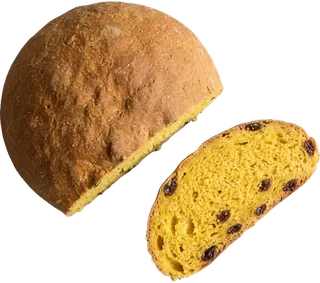
St. Galler Brot
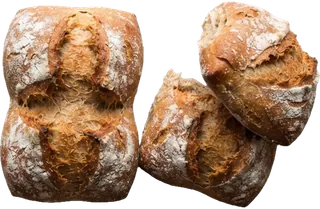
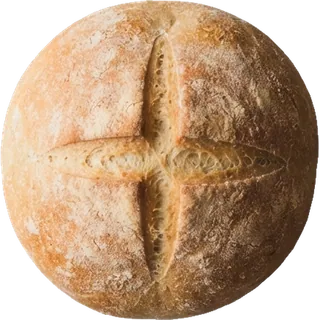
A pale wheat loaf with a long diagonal split across its domed top, baked across Sankt Gallen, Appenzell Ausserrhoden, Appenzell Innerrhoden and Thurgau for daily use at breakfast and lunch tables alike.
How to order
Ein St. Galler Brot, bitte.
The loaf itself is never buttered in the bakery, so ordering there needs no caveat; it's cafés and station kiosks selling pre-cut slices where it helps to ask for the bread ‘ungebuttert’, unbuttered, if a spread is already in sight.
History
St. Galler Brot took shape in the bakeries of eastern Switzerland during the nineteenth century, when millers in Sankt Gallen, Herisau and Trogen supplied wheat flour to small-town ovens firing six days a week. Bakers worked a long pre-dough of flour, water and a trace of yeast overnight, then folded it into a stiffer final dough before shaping each loaf by hand and scoring its crown so the bulge would split into the single ridged knob that gives the bread its silhouette. By the early twentieth century the loaf was standard fare in Sankt Gallen, Appenzell Ausserrhoden, Appenzell Innerrhoden and Thurgau, sold whole or by the half at the counter for the week's meals.
The dough itself is flour, water, salt and yeast — nothing from an animal enters at any stage of mixing, proofing or baking, so the loaf as baked is plant-based by default. Where dairy appears in this cuisine is afterward, at the table: a wedge of the bread split open and spread with butter, the customary way to eat it with coffee or alongside Eastern Swiss Bratwurst. Bought plain from the counter, the loaf itself contains no animal ingredient; what needs checking is only whether a café has already buttered the slice before it reaches the plate.
Where to get it
Bakeries throughout Sankt Gallen's old town, village stores in Appenzell Ausserrhoden and Innerrhoden, and the Saturday markets in Herisau and Weinfelden carry it year-round, without the seasonal break typical of filled breads.