Rheintaler Ribelmais
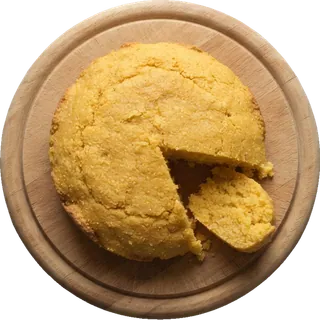
Coarse golden maize meal, swollen in water and dried loose in a hot pan until it breaks into small, nubbly crumbs — the working grain of the St. Gallen Rhine valley, eaten plain or with apple sauce.
How to order
Ich hätte gern einen Ribel, aber ohne Milch und Butter, bitte.
Ask whether the pan version was made ‘mit Wasser’ (with water) rather than milk, and whether it was finished ‘mit Öl’ instead of butter.
History
Maize reached the Rheintal, the stretch of valley between Lake Constance and the Graubünden border, in the 17th century, carried north along trade routes from Lombardy. The valley's sandy, flood-prone soil suited the plant better than wheat, and by the 18th century farm households were growing a hard-kernel local variety, later named Ribelmais, and grinding it coarse at the village mill. Cooked thick in a pan until it dried into crumbs, the dish was called Ribel or, in older Rheintal speech, Türkenribel, after the regional term for maize. It fed farm labourers and valley households through the 19th century and is now grown under protected status in St. Gallen and parts of Graubünden.
At its base the dish is maize meal, water and salt, worked in a pan with some fat until it crumbles — nothing in that sequence requires an animal ingredient. Where dairy enters this cuisine is the cooking liquid and the fat: better-off Rheintal households traditionally swapped the water for milk and finished the crumbs with butter, while poorer households kept the water version, which is the older of the two. A kitchen or bakery following the plain recipe with water, salt and oil needs no substitution at all; the only thing worth settling when ordering is which of the two liquids, and which fat, went into the pan.
Where to get it
Farm shops, village bakeries and market stalls across the St. Gallen Rheintal and neighbouring Graubünden valleys sell the dried meal year-round, with the cooked dish served at valley inns and autumn harvest festivals.