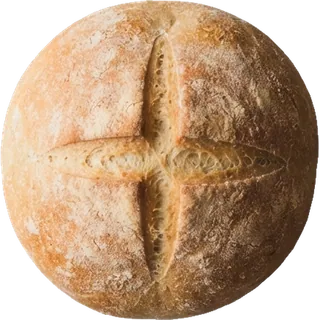
Türggenbrot
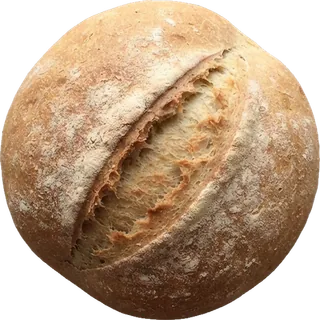
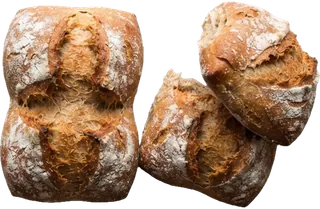
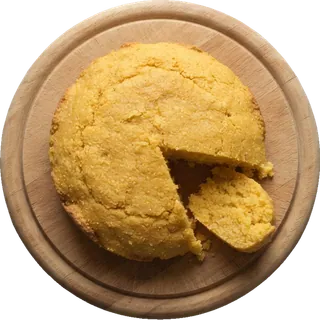
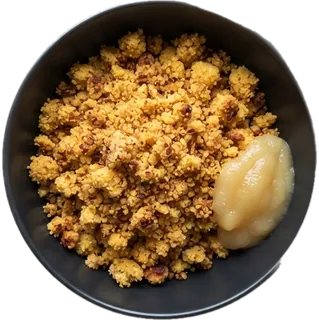
A dense, yellow-crumbed loaf from the St. Gallen Rheintal, mixing maize flour with wheat and studded through with raisins. Bakeries in and around Altstätten sell it year-round, though it is heaviest on counters in autumn after the maize harvest.
How to order
Ich hätte gern ein Türggenbrot, aber ohne Butter, bitte.
Ask the bakery directly whether the dough is ‘ohne Butter’, since some Rheintal bakers enrich it; a crust brushed with egg or milk for shine is worth checking for separately.
History
Maize reached the Rheintal valley by the 17th century, grown on the valley floor around Altstätten and the villages along the Rhine. Rural households, for whom wheat was expensive, stretched their flour by mixing it with the cheaper maize meal, and the resulting loaf took the dialect name Türggenbrot — maize was called 'Türggenkorn' locally, after the belief that it had arrived via Ottoman trade routes rather than from the Americas. Village bakers baked it alongside plain wheat bread, and it became associated specifically with the Rheintal rather than other maize-growing Swiss regions.
The bread is built from maize flour, wheat flour, water, a leaven, salt and raisins — nothing in that list is animal in origin, so the standard loaf is plant-based as baked. Where a diner needs to ask is enrichment: some bakeries add butter to the dough for a softer crumb, and a few brush the crust with milk or an egg wash before baking for colour and shine. Neither addition is part of every recipe, so it comes down to the individual bakery's method rather than the dish itself.
Where to get it
Village bakeries throughout the Rheintal, especially in and around Altstätten, and at the Altstätten weekly market; supply is steadiest from late summer through autumn after the local maize is milled.