Chörbliwasser
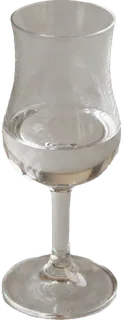
A clear schnapps distilled from fresh sweet cicely leaves, carrying the plant's aniseed scent rather than any added sugar. Farmhouses in the Bernese Oberland and the Toggenburg valleys poured it by the spoonful as a stomach remedy long before it ever reached a glass on a bar counter.
How to order
Ein Chörbliwasser, bitte.
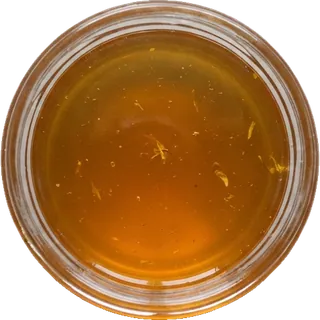
Ask whether the bottle was finished ‘ohne Honig’, since the herb and the distillate itself are plant-based but the final sweetening sometimes isn't.
History
Sweet cicely, Myrrhis odorata, grows wild in alpine meadows and old farmhouse gardens from the Bernese Oberland to the Toggenburg region of St. Gallen. From at least the early 1800s, farm households there ran small copper stills after the hay harvest, distilling the fresh leaves and unripe seed heads with water and a neutral spirit base into a clear, anise-scented schnapps called Chörbliwasser, or in some valleys Süessdolda-Wasser. It was kept in the kitchen cupboard rather than served at table, measured out by the spoonful for children and adults with an upset stomach or poor appetite, a household remedy as much as a drink.
Everything that goes into the still is plant: sweet cicely leaves, water and a distilled spirit base, with no milk, egg, honey or animal fat at any stage of the traditional method. The question only arises once the schnapps leaves the farmhouse and is sold as a finished liqueur, when some producers round off the aniseed edge with honey instead of sugar syrup. A buyer wanting a plant-based bottle needs to ask what the final sweetening was, since the herb and the distillation itself never involved an animal ingredient.
Where to get it
Sold at farm shops and autumn valley markets in the Bernese Oberland and the Toggenburg, usually alongside other household schnapps in small labelled bottles; most farms distil only once, right after the September hay cut.