Löwenzahnkonfitüre
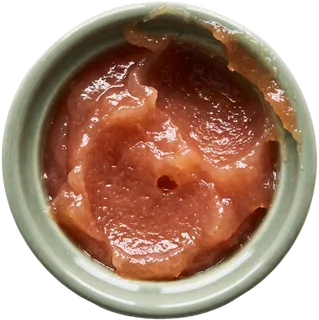
Petals from meadow dandelions, picked in spring and steeped for a day, are boiled down with sugar and lemon into a thick, honey-coloured spread, sold in small jars across the Jura and Bernese countryside.
How to order
Ein Glas Löwenzahnkonfitüre, bitte.
Worth asking whether the batch is ‘ganz ohne Honig’, since some stalls stir in a spoonful of real honey to deepen the flavour without noting it on the label.
History
In the Jura and parts of canton Bern, dandelion flowers gathered from unsprayed meadows in April and May were simmered into a thick preserve to stretch or replace bee honey, which was scarce and costly in many farm households before the twentieth century. The custom is recorded in Swiss farmhouse recipe collections from the late 1800s onward, under the names Löwenzahnhonig, Löwenzahnsirup and, in the French-speaking Jura, miel de pissenlit. Children were often sent out to pick the flower heads, since only the yellow petals, separated from the bitter green sepals, went into the pot.
Everything that goes into the pot is plant: dandelion petals, water, sugar and lemon juice or peel, cooked down slowly until it sets like syrup. The word Honig in the name is the only place an animal product would normally be expected, yet none is used; the set comes from sugar and the pectin naturally present in lemon, not from bees. The traditional recipe is plant-based from picking to jar without any substitution needed. The one point worth checking is at bakeries or farm stalls that blend in a spoonful of real honey to round out the flavour, which some do without changing the label.
Where to get it
Found at farm stands and village markets in the Jura and Bernese countryside, mainly in April and May when the dandelions flower, and in farmhouse shops selling jarred preserves through the rest of the year.