Wildobstbrand
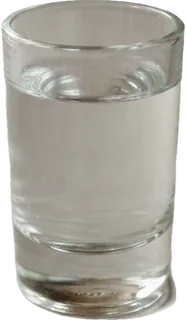
A clear spirit distilled from sloe, rowan and wild pear picked along the hedgerows of the Jura ridge, drunk in small glasses after a meal or against the cold on a winter market stand.
How to order
Ich hätte gern ein Glas Wildobstbrand, bitte.
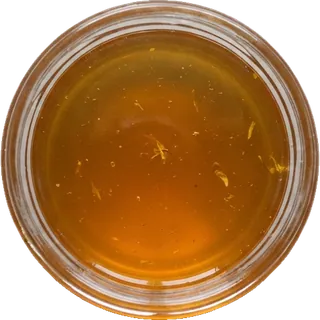
Ask the stand whether it's a straight distillate, ‘reiner Brand’, rather than a sweetened Likör, since the latter sometimes has honey worked into it.
History
Hedgerow fruit has been gathered along the Jura ridge between the Bernese Jura and the canton of Jura for generations, wherever orchard fruit was scarce on the thin limestone soil. Sloe, rowan berries and wild pear were collected in autumn, fermented in barrels over several weeks, then run through a still. Since the 1887 federal alcohol law, farmers in these valleys have held the right to distill a fixed quota of their own fruit (Hausbrand), often using a travelling still that moved from farm to farm each autumn, the distiller paid in cash or in a share of the batch.
Everything in the still is plant: wild fruit, the wild yeasts that ferment it, and water. No animal product enters at any stage of a straight Wildobstbrand, since distillation yields only the fruit spirit itself, with nothing added afterward. The point to check is at the shelf rather than the still: some producers sell a sweetened version or a liqueur built on the same base spirit, and honey or cream is sometimes blended in for those. A plain, unblended brandy needs nothing further settled.
Where to get it
Found at farm shops (Hofläden) and distillers' stalls at autumn markets through the Ajoie and Delémont valleys, mainly between October and the end of winter.