Damassine
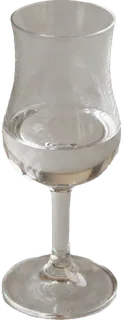
Clear, high-proof spirit distilled from the small red damson plum of the Ajoie, pressed and fermented each autumn in canton Jura. Since 2010 the name damassine has been protected for this fruit and this region alone.
How to order
Un verre de damassine, s'il vous plaît
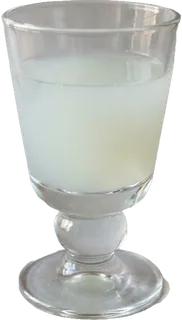
To be sure it's the plain spirit, ask for it ‘pur fruit’ — some stalls also sell a sweetened version labelled ‘crème de damassine’, which has cream added.
History
The damassine is a small red-skinned plum variety grown almost exclusively in the Ajoie district of canton Jura, in villages around Porrentruy and up toward Saignelégier. Farmers have kept scattered damassine trees along hedgerows and orchard edges since at least the 19th century, picking the fruit in September and October. Traditionally a travelling distiller, the bouilleur de cru, set up a portable copper still in the farmyard after harvest and turned the fermented mash into spirit over a few days, charging the farmer by the litre. In 2010 the Swiss government granted damassine an AOC, restricting the name to eau-de-vie distilled from this plum within the canton of Jura.
Everything that goes into the still is plant: damassine plums, the wild yeasts already present on their skins, and water, left to ferment in open vats before distillation. No milk, eggs, honey or animal fat enters at any stage, and nothing is added afterward, since an eau-de-vie made under the AOC rules has to be the unmixed distillate of the fruit itself. The one thing worth checking at the counter is that a bottle marked damassine is this protected spirit and not the sweetened cream version some producers sell alongside it, which can contain added cream.
Where to get it
Farm distilleries and cooperative cellars across the Ajoie sell it by the bottle once the autumn runs are finished, roughly October to December, and village markets in Porrentruy and Saignelégier carry it year-round.