Absinthe
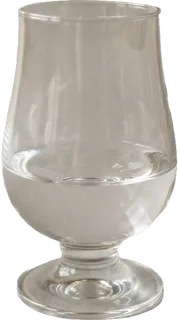
A green or clear spirit flavored with wormwood, green anise and fennel, distilled in copper alembics across the Val-de-Travers and drunk with iced water dripped slowly over a sugar cube until it clouds.
How to order
Une absinthe, s'il vous plaît, avec le sucre et la fontaine.
Ask the barkeep ‘pas de sucre au miel’ to be sure the sugar cube set on the spoon hasn't been soaked in honey, a flourish some bars add for sweetness.
History
Major Daniel-Henri Dubied began distilling absinthe commercially in Couvet in 1797, after buying the recipe for a wormwood elixir from the Henriod sisters of Val-de-Travers; his son-in-law Henri-Louis Pernod carried the formula to France in 1805 and built a larger distillery in Pontarlier. The Swiss confederation banned absinthe by popular vote in 1910, following the Lanfray murders in Commugny, but farmers and small distillers in Môtiers, Fleurier and Boveresse kept working through the ban, distilling at night in cellars and barns and moving bottles under other labels until the federal prohibition was lifted in March 2005.
Everything in the still is plant: wormwood, green anise, fennel seed and other herbs infused in grain or wine alcohol, then redistilled and colored green with chlorophyll from more herbs steeped afterward. No animal product enters the traditional recipe at any stage. Where attention is still worth paying is the ritual of serving: some modern bars soak the sugar cube balanced on the slotted spoon in honey or cream-based syrups for flavor, or pour the glass into cocktails finished with egg white for foam. The distillate itself, drunk the old way with only water and plain sugar, has nothing animal in it.
Where to get it
Distillery shops and tasting rooms in Môtiers, Fleurier and Boveresse sell it year-round, and the Fête de l'Absinthe in Boveresse each June turns the valley into one long tasting counter.