Pain neuchâtelois
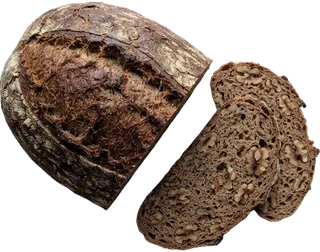
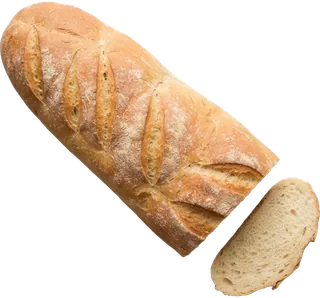
An elongated loaf, about 32 centimetres long, scored down its length before it goes into the oven so it tears open along one deep seam as it bakes — a shape particular to bakeries around Neuchâtel and the villages along its lake.
How to order
Un pain neuchâtelois, s'il vous plaît
Ask the baker ‘c'est juste farine, eau, sel et levain?’ to confirm nothing has been brushed on the crust or worked into the dough; most village bakeries will answer that it is.
History
Pain neuchâtelois takes its name from the canton of Neuchâtel, on the northern shore of the lake of the same name, where village bakers cut the proved dough lengthwise before baking so it would open along one line rather than crack at random. The method is documented in bakeries around Neuchâtel, Boudry and the Val-de-Travers through the 19th century, when wheat grown on the lakeside plain largely replaced the rye and spelt still milled in the higher Jura valleys. Bakers mixed the dough the night before and fired it in wood ovens shared by several households, a pattern common across the region before each village had its own commercial bakery.
Flour, water, salt and a sourdough starter make the whole loaf; nothing is brushed, glazed or enriched at any stage, since this was a daily lakeside wheat bread rather than a festive or enriched one. The single cut is made with a blade alone, so no fat or wash enters at the shaping stage either. The loaf is naturally vegan as traditionally made. The one thing to confirm at a given bakery is whether it has started brushing the crust with milk for shine or adding butter to soften the crumb, a practice that shows up in some town bakeries now; the village version has neither.
Where to get it
Bakeries in the town of Neuchâtel and lakeside villages such as Boudry and Cortaillod sell it daily year-round, often alongside other canton breads at Saturday markets.