Zürcher Langbrot
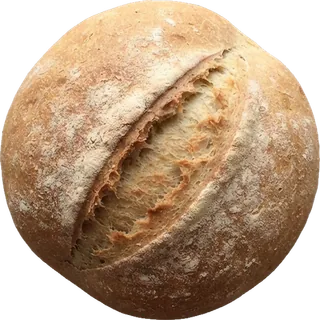
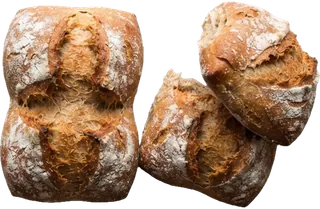
A long, slightly flattened loaf scored with diagonal cuts across the top, baked across the canton of Zürich as the standard table bread for daily meals rather than for any particular occasion.
How to order
Ein Zürcher Langbrot, bitte.
Ask the counter whether the dough is ‘nur mit Mehl, Wasser, Salz und Sauerteig’ made, since a few bakeries add milk powder or lard to soften the crumb of their everyday loaves.
History
Zürcher Langbrot belongs to the catalogue of regional loaf shapes codified by Swiss bakers' associations in the early 20th century, each canton assigned its own standard form so customers could recognise origin by silhouette alone. The Zürich version is elongated, tapered at both ends, with three or four diagonal cuts slashed across the crust before baking to control how it splits in the oven. It was produced by village and city bakeries alike as the everyday loaf, sold whole or by the half, and eaten with the week's meals rather than reserved for markets or festivals.
The dough is wheat flour, water, salt and a leaven, either a sourdough culture or baker's yeast depending on the house. Nothing in the traditional formula calls for milk, egg, butter or fat, so the loaf as classically defined is already plant-based. The one point worth checking is enrichment: some bakeries soften the crumb of their table breads with a small amount of milk powder or lard, a variation not specified by the standard recipe, so it is the individual bakery's practice rather than the dish itself that needs confirming.
Where to get it
Sold year-round at neighbourhood bakeries and bread stalls at the Zürich weekly markets, usually baked fresh in the morning and again before midday.