Urner Brot
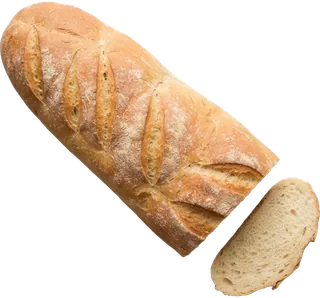
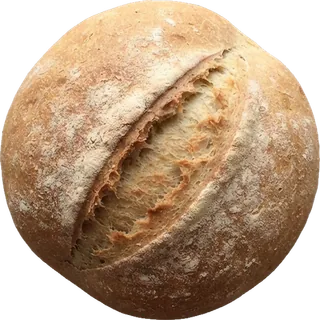
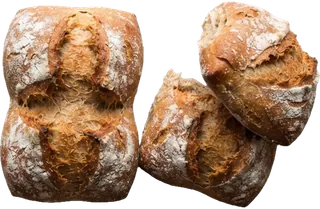
A round, dark rye-wheat loaf from the canton of Uri, baked dense enough to sit in a cellar for months and still be cut into in spring.
How to order
Ein Urner Brot, bitte.
The dough itself is plain rye and wheat, so the only thing to check is whether the crust was brushed with a glaze; ask ‘ist das Brot ungeglänzt?’ to confirm no egg or milk wash was used.
History
Uri's mountain farms were cut off from regular grain delivery for much of the year, so households in villages around Altdorf baked only two or three times annually, often in autumn, using the communal village oven shared by several families. The dough combined local rye with a smaller portion of wheat, sometimes bought in from the lowlands, and was shaped into round loaves marked with a baker's or family cross before baking so loaves could be told apart once stacked. The resulting bread, Urner Brot, was stored on wooden racks in dry cellars or attics and eaten in thin slices as it hardened over the following weeks.
Everything in the dough is plant matter: rye flour, wheat flour, sourdough starter, water and salt, and the traditional recipe has no egg wash, milk glaze or lard worked into it anywhere in the process. Where dairy can enter the picture is not in the loaf itself but beside it, since Uri households commonly served the bread with Alpine butter or cheese at the table. A loaf bought plain from a bakery or farm stall, with no glaze brushed on the crust, is the same bread Uri villages have kept in their cellars for generations.
Where to get it
Village bakeries and farm shops around Altdorf and the Schächental sell it year-round, though autumn is when households traditionally laid in their cellar stock.