Brächere-Brönnts
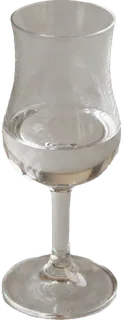
Ladled out from a kettle set at the edge of the flax field, this spiced spirit kept Bernese farmhands going through the hours of breaking flax by hand, cloves and lemon peel cutting the burn of the schnapps against the night cold.
How to order
Einen Brächere-Brönnts, bitte – ohne Honig.
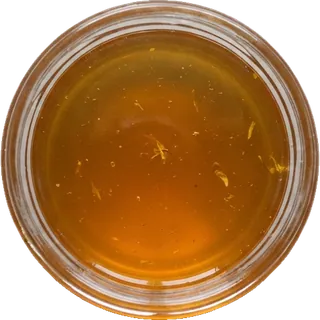
At a stand or farmhouse selling it after a Brächete, ask directly ‘ist Honig drin?’ (is there honey in it), since sugar and honey are both used from household to household.
History
The Brächete was the communal flax-breaking gathering held across the Emmental and parts of the Bernese Oberland from at least the 18th century into the early 20th, timed to September and October once the pulled flax had dried in the fields. Neighbors convened after dark, working by lantern light to crack the brittle stalks with a wooden Brächel, splitting away the woody core to leave the fibre for spinning into linen thread. It was heavy, repetitive, cold-hands work that ran past midnight, and the gathering gave its name directly to the drink served at it: Brächere-Brönnts, the burnt spirit of the flax-breaking.
Everything in the pot is plant-derived: a grain or fruit spirit, water, sugar, and whole spices steeped and warmed together, with no dairy, egg, meat or gelatine involved in the traditional making. The one variable sits with the sweetener. Some households stirred in a spoonful of honey instead of, or alongside, sugar, particularly where bees were kept on the same farm. A diner wanting it plant-based need only confirm which sweetener went into that particular kettle, since nothing else in the recipe requires checking.
Where to get it
Found at autumn Brächete re-enactments and village Chilbi in the Emmental and Bernese Oberland, usually October, ladled from a kettle by whoever is running the stand that night.