Rosoli
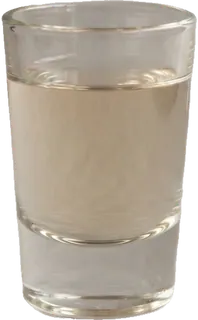
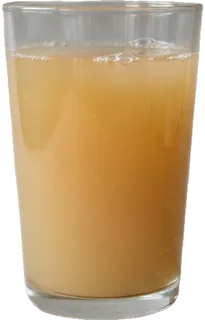
A dark cherry liqueur steeped with cinnamon and cloves, poured in small glasses for guests, baptisms and weddings across Lucerne, Schwyz and Nidwalden.
How to order
Dürfte ich ein Gläschen Rosoli haben?
Ask the seller ‘mit Honig oder mit Zucker gesüsst?’ to find out whether honey or sugar was used, since both appear in family recipes.
History
Rosoli took its name from the Italian rosolio, a sugared spirit flavored with rose or other petals that traveled north over Alpine trade routes from the 17th century onward. In the central Swiss cantons it settled into a household recipe built on sour cherries, sugar, water and a grain or fruit spirit, left to steep for weeks in a sealed bottle or demijohn. Farming households and innkeepers in Lucerne, Schwyz and Nidwalden kept a bottle ready for name-day visits, christenings and weddings, pouring it in small glasses alongside biscuits rather than serving it with a meal.
Every ingredient in the classic pot is plant or mineral: cherries, sugar, water, spices and distilled spirit. No cream, egg or gelatin enters at any stage of steeping, straining or bottling. The one point to check is sweetening — some households stir in honey instead of, or alongside, sugar before the final steeping, a variation passed down by family rather than written into any single standard recipe. Ask whether the batch was sweetened with honey, and otherwise the drink is plant-based as made.
Where to get it
Farm shops, village general stores and market stalls across the Lucerne, Schwyz and Nidwalden valleys carry home-bottled Rosoli, most visibly around Christmas, New Year and the spring wedding season.