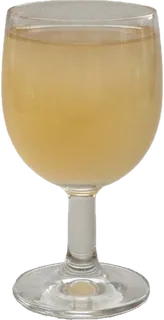
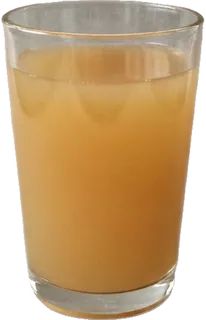
Orangenmost
A bottled blend of pressed apple juice and orange, sold still or lightly carbonated at the Mostereien of Thurgau and Nidwalden since the 1930s, poured cold at village fêtes and from roadside crates in autumn.
How to order
Ein Orangenmost, bitte
Ask the presser whether the juice was ‘traditionell geklärt’ (traditionally clarified) and, if so, with what — gelatin or isinglass turn up occasionally in older small-batch clarification, though bentonite and enzymes are now standard.
History
Thurgau's orchards earned the canton the nickname 'Mostindien' in the nineteenth century, when apple presses turned surplus harvests into Most, the regional term for unfermented or lightly fermented juice. Nidwalden, with its own dense stands of high-trunk apple trees around Stans and Ennetbürgen, ran smaller village presses on the same pattern. In the 1930s, as bottling and pasteurization let Mostereien sell juice year-round rather than only at harvest, some pressers began blending in orange juice or imported orange concentrate to soften the apple's acidity and add a citrus note, selling the result as Orangenmost alongside plain Apfelmost.
Orangenmost is pressed apple juice and orange juice or concentrate, water and sugar, with or without added carbonation — no animal ingredient sits anywhere in that list. The one point worth checking is upstream of bottling: some commercial juice pressers historically clarified cloudy juice with gelatin or isinglass, a fish-derived fining agent, to settle haze before filtering. Most Swiss Mostereien today use bentonite clay or pectolytic enzymes instead, but a presser still advertising 'traditionally clarified' juice is the one worth asking about.
Where to get it
Village Mostereien in Thurgau and Nidwalden sell it bottled year-round from the press shop or farm stand, with fresh batches appearing heaviest right after the autumn apple harvest in September and October.