Suure Most
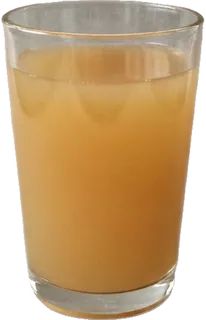
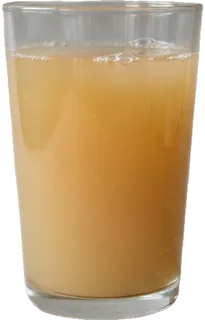
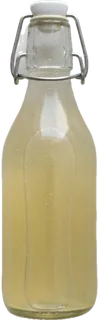
A cloudy, sharp cider from the apple orchards of Thurgau, poured pale gold into a stemmed glass and drunk at room temperature, usually after the autumn pressing.
How to order
Ein Suure Most, bitte.
Farmhouse Suure Most is never a problem, but bottled versions from larger Mostereien can be clarified with animal products; ask ‘Ist der Most mit Gelatine geschönt?’ to find out if it was fined before bottling.
History
Thurgau has been planted with dense rows of cider apples since the 1860s, when cantonal ordinances required farmers to line roads, field edges and farmyards with fruit trees to make use of otherwise unproductive ground. The surplus, far more than could be sold or eaten fresh, went to the village press each October and November. What came out was left in barrels in farmhouse cellars to ferment on its own, with no added yeast, and was drunk through winter by farmhands, at threshing bees and at the Chilbi village fairs. The canton earned the nickname 'Mostindien', cider India, for the scale of this production.
Suure Most is apples and whatever wild yeast lives on their skins and in the cellar air; nothing else goes into the barrel, so the traditional farmhouse drink has never contained an animal product. The one point to watch is downstream of fermentation: larger commercial producers sometimes clarify a cloudy batch by fining it with gelatine or isinglass to drop the sediment before bottling, where a farm producer would simply rack the barrel and leave it unfiltered. A diner wanting the version with nothing animal in it should ask whether the bottle was fined, not whether it was fermented with anything added.
Where to get it
Mostereien and farm stands across Thurgau sell it straight from the barrel or in returnable bottles, especially after the October-November pressing and at village Chilbi fairs through winter.