Zuger Kirsch
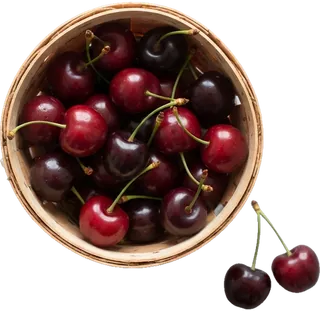
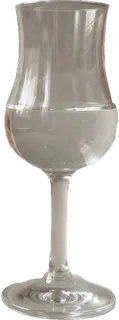
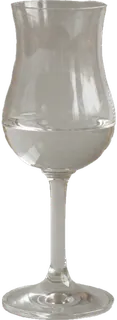
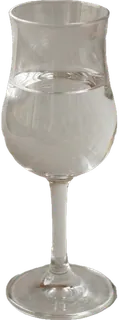
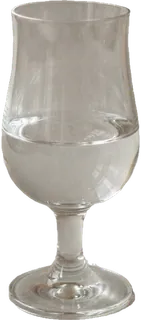
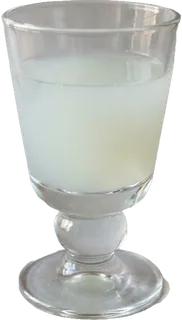
Distilled from whole cherries around the Zugersee, this clear spirit carries a bitter-almond edge from the crushed stones, fermented slowly in wooden tubs before a single run through a copper still.
How to order
Ein Glas Zuger Kirsch, bitte.
Ask the seller to confirm it's ‘naturreiner Kirsch ohne Zusätze’, a straight fruit distillate with nothing added, since some bottlers blend in neutral spirit, sugar or caramel colouring.
History
Cherry orchards have ringed the Zugersee since at least the sixteenth century, and the canton's small farms long held the right to distil their own fruit duty-free for household use. Growers crushed the ripe cherries whole, left the mash to ferment in wooden tubs for several weeks, then ran it through a copper pot still, keeping the stones in so the kernels' bitter-almond oil passed into the spirit. By the nineteenth century Zug's kirsch was traded beyond the canton, and in 1915 a Zug confectioner began soaking sponge layers in it for what became the Zuger Kirschtorte, tying the spirit permanently to the town's name.
Cherries, their crushed stones, and the wild yeasts that ferment them are the entire recipe; nothing else goes into the mash or the still. There is no point in the process where milk, egg, gelatine or any other animal product would enter, and distillation leaves nothing behind but fruit, water and alcohol in the bottle. The only thing worth checking is what the kirsch ends up in: Zuger Kirschtorte and other pastries built around it usually add butter, cream or egg to the sponge and icing, so the spirit itself is plant-based even when the dessert it flavours is not.
Where to get it
Sold directly from farm distilleries (Hofbrennereien) and village shops around the Zugersee, and from grocers in Zug town, most reliably once the year's cherry harvest has been distilled in late autumn.