Jufka
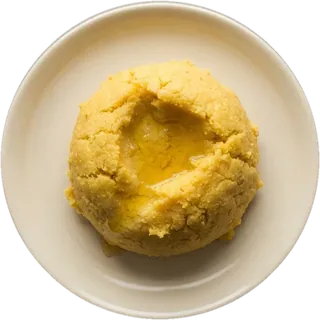
Dough is rolled paper-thin, left to dry, then cut into small squares and packed into cloth bags as part of the autumn zahire, the household's winter store. Boiled and tossed with butter and crushed walnuts, it is eaten through the cold months in Peshkopi kitchens and the villages of Dibër.
How to order
Na sillni jufka pa mish e pa gjalpë, ju lutem, me vaj ulliri e arra.
The noodles themselves are usually mixed and dried weeks before they reach a plate, so if egg went into that batch there is nothing left to ask about by the time it's served. What can still be settled is the cooking liquid and the topping: ask for it boiled in water rather than meat broth, and finished with olive oil and walnuts rather than butter, with “Na sillni jufka pa mish e pa gjalpë, ju lutem, me vaj ulliri e arra.”
History
Jufka belongs to Dibër, the qark around Peshkopi and the Gheg villages of the Drin valley, where it is made each autumn as part of the household zahire, the store of food put by for winter. Flour is kneaded, rolled into sheets thinner than lakror pastry, dried flat on cloth, then cut into small squares and packed into cloth bags, a job sized for more hands than one household has, so neighbours come to help and a year's supply is finished in two days. Dibër's population has thinned since the 1990s as families left for Tirana and abroad, and the shared cutting day is rarer now.
Most Dibër households break an egg into the dough for colour and strength, and the finished dish is built on whatever gives it richness afterward — a meat broth it is boiled in, or butter melted over it at the table, sometimes with yogurt stirred through. None of that is fixed in the noodles themselves: a dough of flour, water and salt dries and cooks the same way, and what changes is the pot it goes into and what is poured over it once it is plated, which is where oil and walnuts can stand in for gjalpë.
Where to get it
Home kitchens across Dibër, from Peshkopi to the villages of the Drin valley, cook it through the winter from the autumn zahire; a handful of guesthouses in Peshkopi list it as a winter dish from December to March, a plate running 200-300 lekë.