Raki Manit
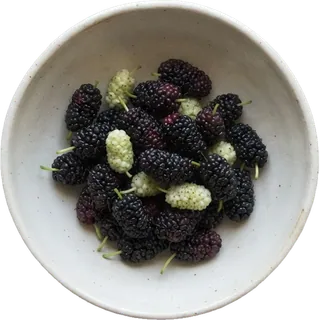
Mulberries shaken onto sheets spread under the tree are fermented whole, then run through a copper still until the spirit comes off yellow-green and high-proof. Dibër and the villages around Korçë are where drinkers ask for it by name, poured in small glasses before a meal or at a name day table.
How to order
Një gotë raki manit, ju lutem.
The raki itself needs no question, since it is only fruit, yeast and the still. If it arrives with a meze plate, ask for one without cheese or cured meat: “Një meze pa djathë dhe pa mish, ju lutem.”
History
Mulberry trees grow along fences and in dooryards across Dibër and the hill villages above Korçë, land that stayed in family hands through the collectivised decades, since a dooryard tree was easier to keep than a field folded into the cooperative. In July, when the fruit ripens and drops faster than it can be eaten, households spread sheets beneath the branches and shake them down, then leave the mulberries to ferment in barrels for weeks before running them through a copper still, often shared between a few households, over several days each August. The raki is poured for arriving guests before coffee and bottled for name days.
Mulberries, wild yeast and time in the still account for the whole of it: no butter, curd or honey enters at any stage, and nothing is added at the table either. What is not naturally vegan is the meze that sits beside the glass — a plate of sheep's-milk cheese or cured meat is standard company for raki across both qarks — so the spirit needs no question, only the food next to it does.
Where to get it
Household stills and village stalls in Dibër and the Korçë countryside, sold by the bottle at weekend markets and roadside stands or poured by the glass in local taverns; a bottle runs 400-700 lekë, a glass at a tavern around 100-150 lekë.