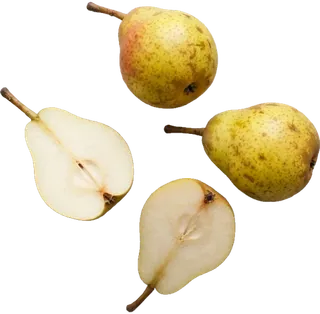
Kumbulla
Several local plum varieties are picked through August in Dibër's orchards and the lowland groves around Durrës, eaten fresh, dried on wooden frames for winter, or distilled into raki. In Gheg highland households the raki is poured and drunk before anything else is said, a gesture of welcome at the door.
How to order
Një gotë raki kumbulle, ju lutem.
Nothing needs confirming here: plums, raki kumbulle and dried plums carry no dairy, egg, honey or meat at any stage of making them, so there's no local phrase needed beyond ordering the raki itself.
History
Dibër, the mountainous qark in Albania's northeast that borders North Macedonia, has grown plums on its hill terraces since Ottoman times, in villages above Peshkopi and across to Bulqizë; the lowland groves of Durrës qark, around Krujë, add a milder autumn crop. Fruit is picked by hand through August, part eaten straight away, part dried on wooden frames for the winter zahire, part fermented in barrels and run through a copper still. Collectivised orchards under communism filled yearly state quotas for the raki, and the 1990s collapse and the emigration that followed left many Dibër trees untended, picked now mostly by the households that stayed.
Kumbulla carries none of the usual places where meat, dairy or honey slip into Albanian food: nothing is brushed on it, stirred through it, or dropped in the pot with it. Fresh and dried plums are the fruit itself; raki is plum mash fermented and distilled, with no other input. The one exception is reçel, plum jam cooked down with sugar for the pantry shelf, and the sugar there is plant sugar, not honey — so none of the three forms needs any question asked before it is eaten.
Where to get it
The open-air market in Peshkopi, Dibër's qark town, sells fresh and dried plums through August and September, and raki kumbulle is sold informally from farmhouses in the hills around it, at roughly 500-700 lekë a litre. In Durrës qark the Krujë bazaar stocks the same fruit from its lowland orchards at about 80-120 lekë a kilo in season.